Medicine for varicose veins usually means tablets, taken to manage symptoms such as pain and swelling. The tablets can ease how the legs feel, but they do not close or remove the veins. This article sets out what vein tablets can do, how long they are taken, their side effects, and when a scan is advised.
What medicine for varicose veins is, and how it works
The tablets used for varicose veins are called venoactive drugs, also known as phlebotonics. Some are made from plant extracts called flavonoids, and others are synthetic. They act mainly by improving the tone of the vein wall, reducing leakage from the smallest blood vessels, or calming inflammation.
One of them is micronised purified flavonoid fraction (MPFF), a combination of diosmin and hesperidin. Like the others, it is used to manage symptoms such as pain and swelling.
What tablets for varicose veins can do for aching and swelling
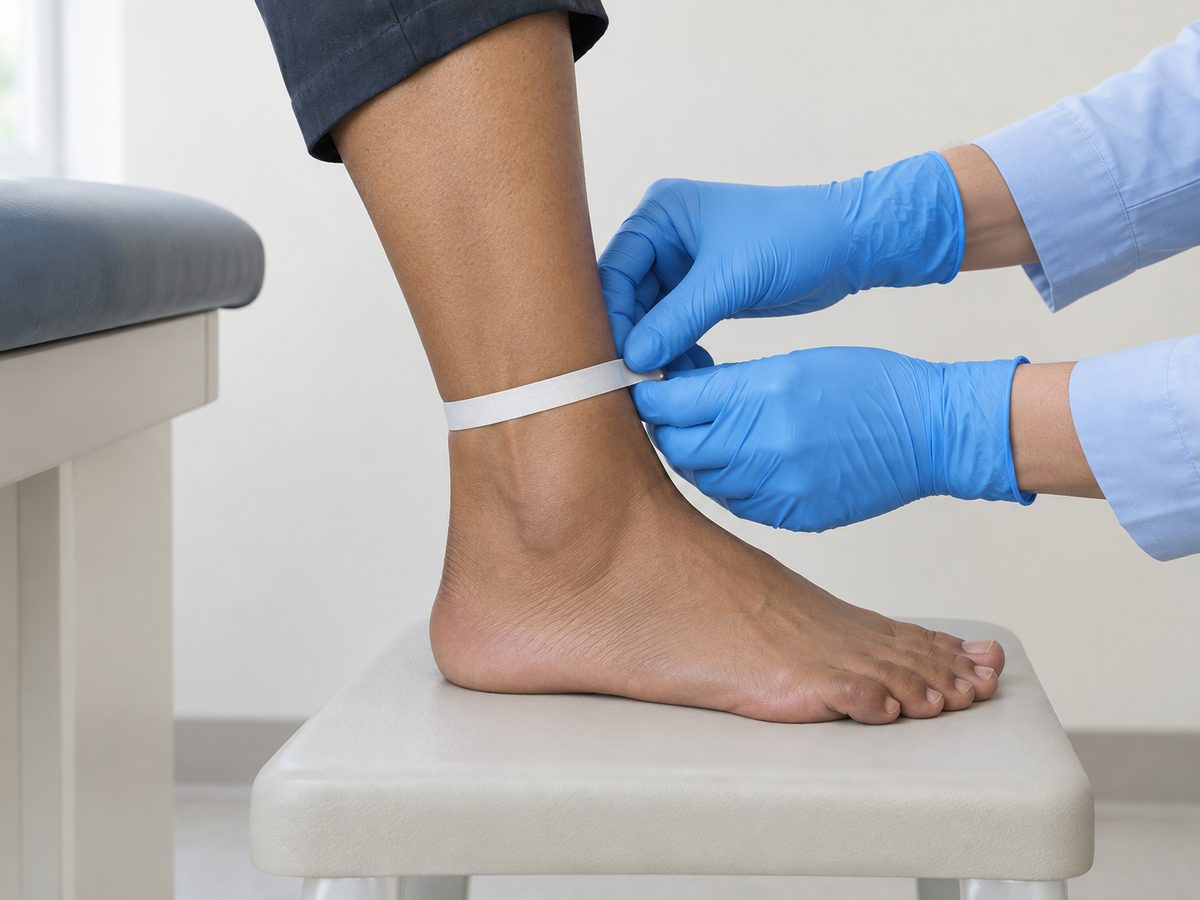
In the trials, the effect of vein tablets on swelling was small.
The European guideline on vein disease advises that vein tablets should be considered to reduce venous symptoms and swelling. It names three groups: people not having a procedure, people waiting for one, and people whose symptoms or swelling persist after one.
A Cochrane review found that the tablets probably reduce swelling in the lower legs slightly, compared with a dummy tablet (13 trials, 1,245 people). On average, the ankle measured about 4 millimetres less around (15 trials, 2,010 people). The tablets may also help some symptoms, such as leg pain, cramps and the feeling of swelling.
The same review found little or no difference in quality of life, and little or no effect on the healing of venous ulcers.
Vein tablets ease symptoms, but the varicose veins remain
Varicose veins form when the one-way valves inside the leg veins weaken or fail, so blood pools and the veins swell. Vein tablets do not repair those valves, and the bulging veins stay. When the veins need treating, a procedure closes the faulty vein from inside or takes it out, planned from a scan.
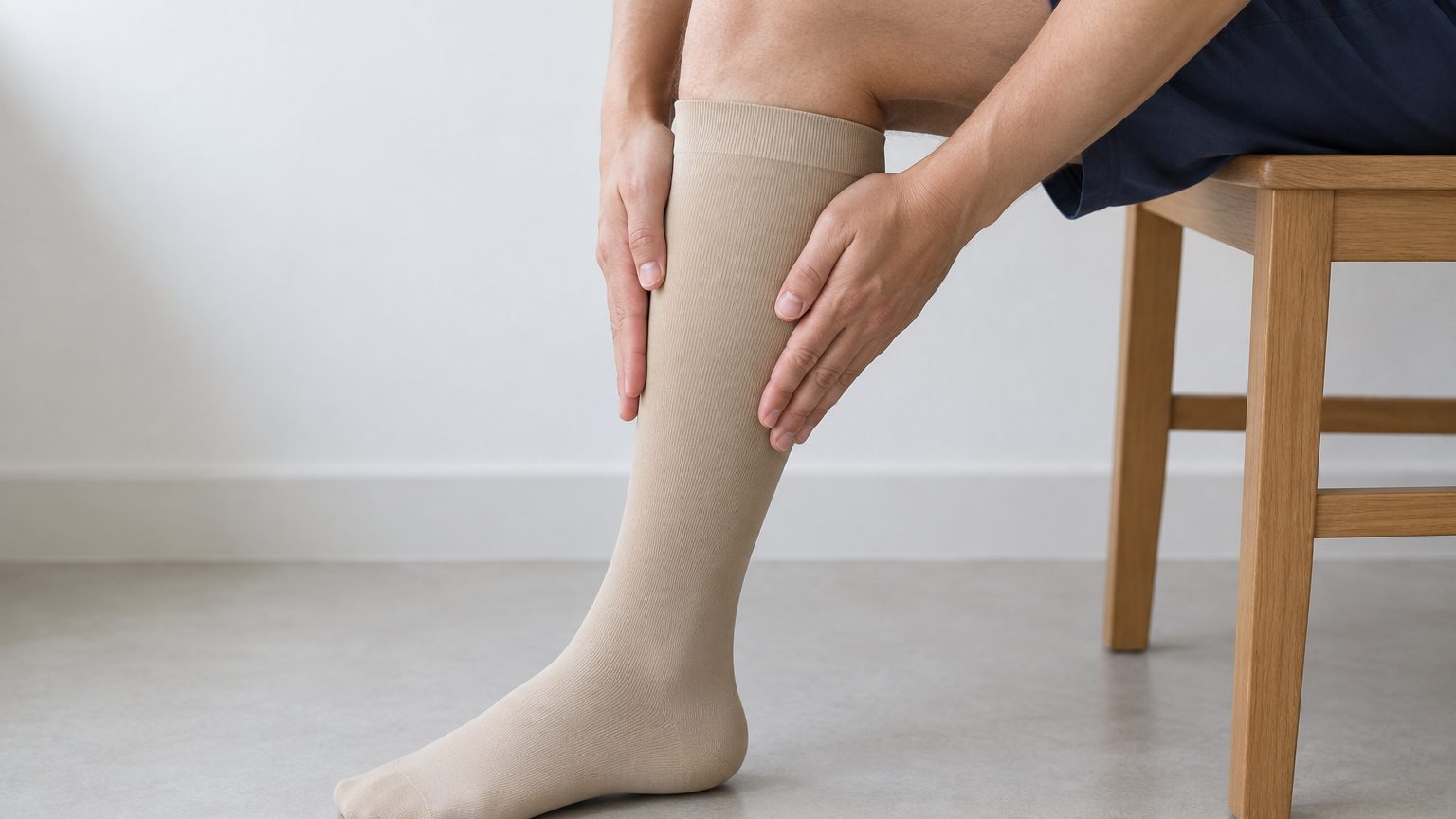
In the guideline, compression stockings remain the cornerstone of treatment without a procedure, and vein tablets can be used with them or on their own. Stockings can ease the aching and swelling while you wear them. Like the tablets, they do not repair the faulty valves.
Which tablet for varicose veins suits you, if one is needed

No single vein tablet suits everyone.
Vein tablets are a mixed group, and the guideline asks doctors to weigh the evidence for each individual drug. For MPFF, it reports a review of seven trials against a dummy tablet, in 1,692 people, in which several leg symptoms and ankle swelling improved. In the Cochrane review, the changes with diosmin-based tablets were also modest.
Which tablet suits you, if any, depends on your symptoms, your general health and your own choice.
How long vein tablets are taken, and what is known about longer use
In most of the trials, the tablets were taken for one to three months. Longer use has been studied less. The Cochrane review found only short-term safety data, so their safety over the medium and long term could not be estimated.
The guideline describes tablets and stockings as measures that may be used for a short time or a longer one, decided together by doctor and patient. If you have taken vein tablets for some months and the aching or swelling continues, it is worth having the veins checked.
Side effects of vein tablets, and how common and serious they are
In the Cochrane review, side effects were slightly more common with vein tablets than with a dummy tablet.
Stomach upsets
Heartburn, nausea and other stomach upsets were the side effects reported most often.
With diosmin-based tablets
In the trials of diosmin-based tablets, side effects were about as common as with a dummy tablet, though this evidence is less certain.
How serious
In the European guideline, the side effects of vein tablets are described as rare and usually not severe.
If you notice a side effect, tell your doctor or pharmacist.
When a duplex ultrasound scan is advised, and when to see a vascular surgeon
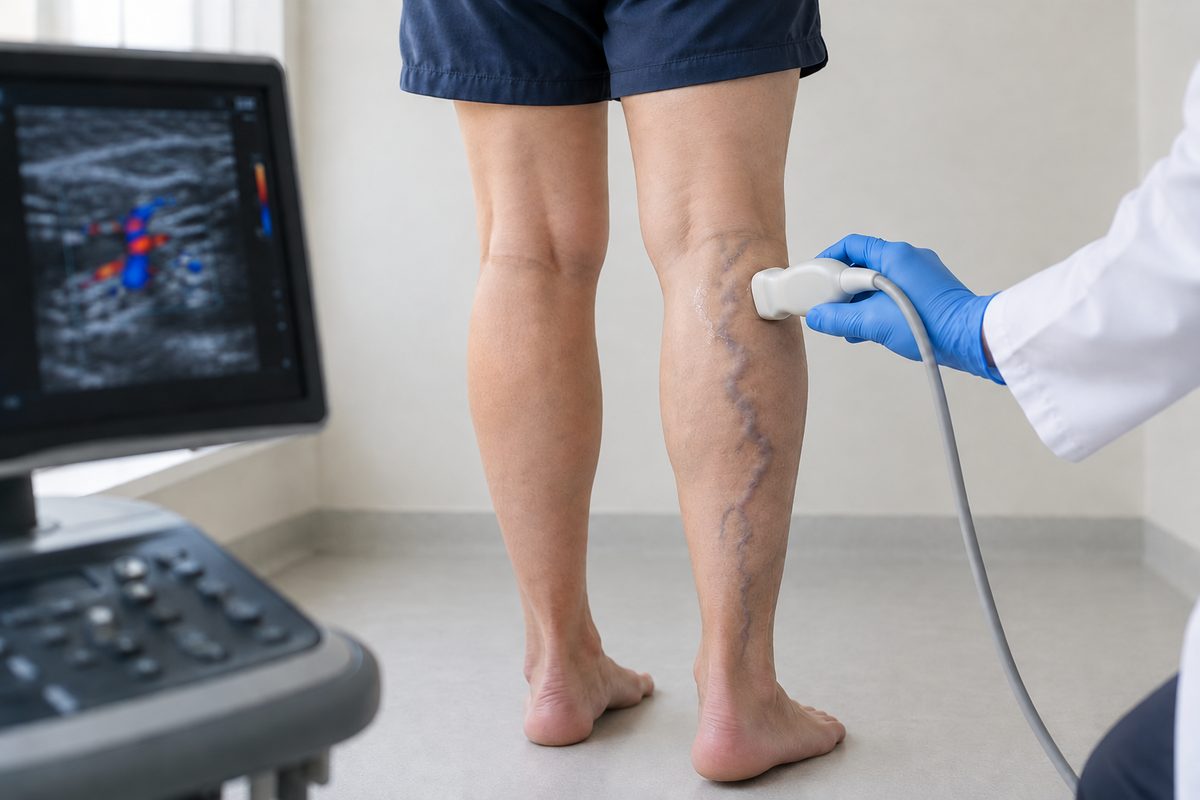
Vein tablets can ease the symptoms, but they cannot show what causes them.
A duplex ultrasound scan shows the veins and the direction the blood is flowing in them, so it finds which valves leak and whether the deep veins are working normally. The European guideline treats the scan findings as essential to deciding on treatment.
A scan is advised if aching or swelling continues despite tablets or stockings. It is also advised if the skin near the ankle darkens or thickens, or if a wound near the ankle has not healed within two weeks.
If your whole leg swells suddenly, or your calf becomes severely painful, see a doctor the same day.
Most first visits to Dr Ooi include a duplex ultrasound scan, at one of his clinic locations.