Advanced Vascular Centre, Mount Elizabeth
#13-06 Mount Elizabeth Medical Centre
+65 6737 1180
If the wrong procedure worries you, varicose vein treatment starts with checking your suitability
Dr Desmond Ooi bases his recommendation on your symptoms and your duplex ultrasound scan, because veins that look alike can leak in different places.
Dr Desmond Ooi
Senior Consultant, Advanced Vascular Centre
More than 15 years of experience in vascular and general surgery
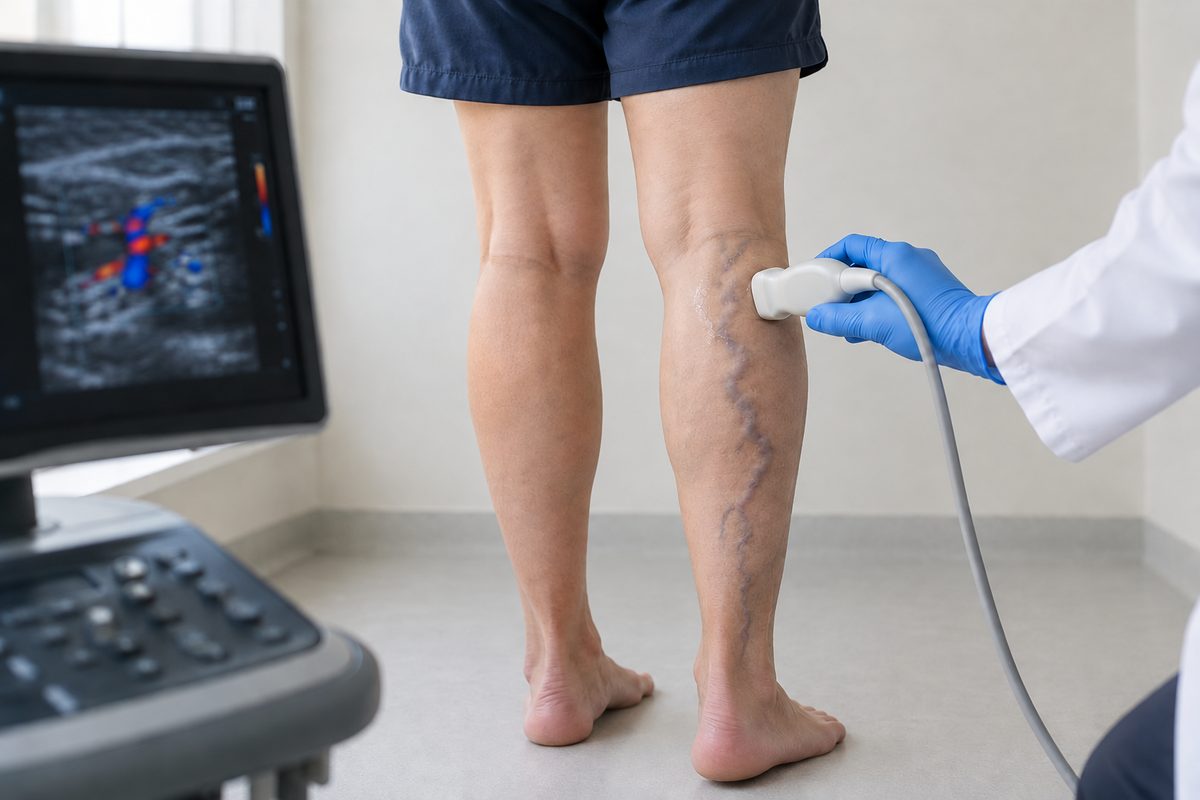
European guidelines recommend a full duplex ultrasound of the leg veins as the main test for vein disease, both to diagnose it and to plan treatment.
Depending on the severity of the condition, Dr Desmond Ooi may recommend different varicose vein treatment options suitable to each patient.
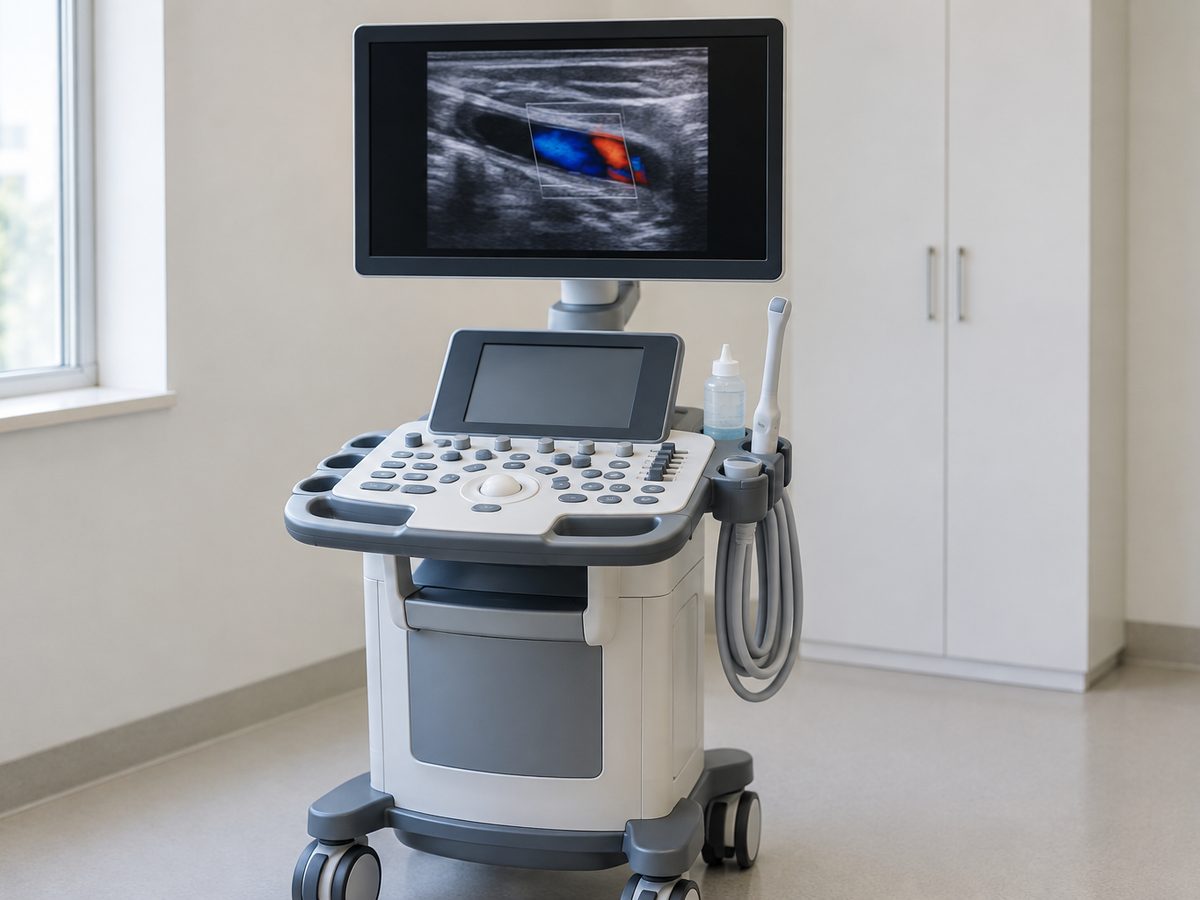
The scan uses sound waves to show which veins leak and where. He also weighs your symptoms, any skin changes, your general health and your own preferences before he recommends any treatment.
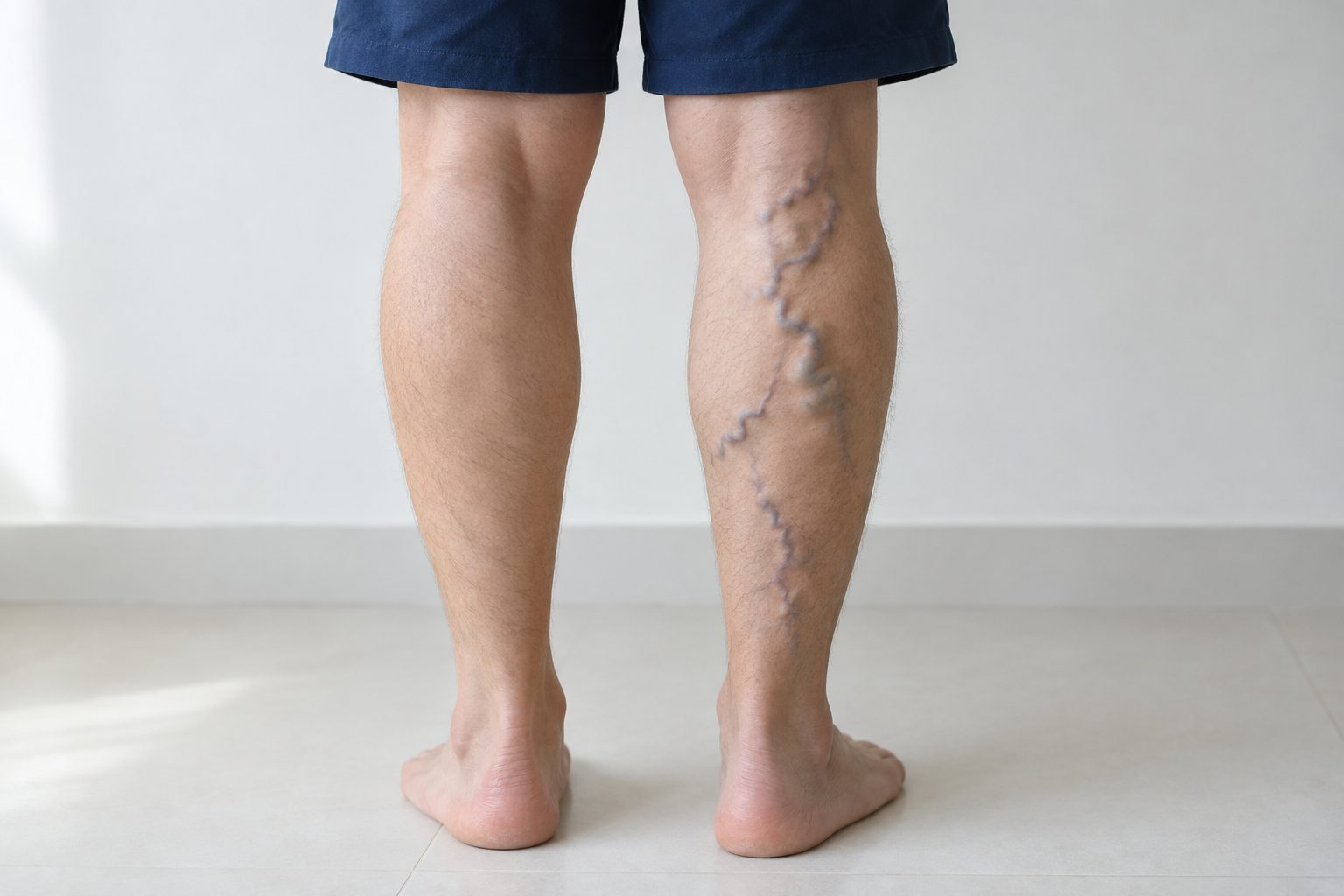
Treatment deals with that vein, not only the veins you can see.
Varicose veins and their symptoms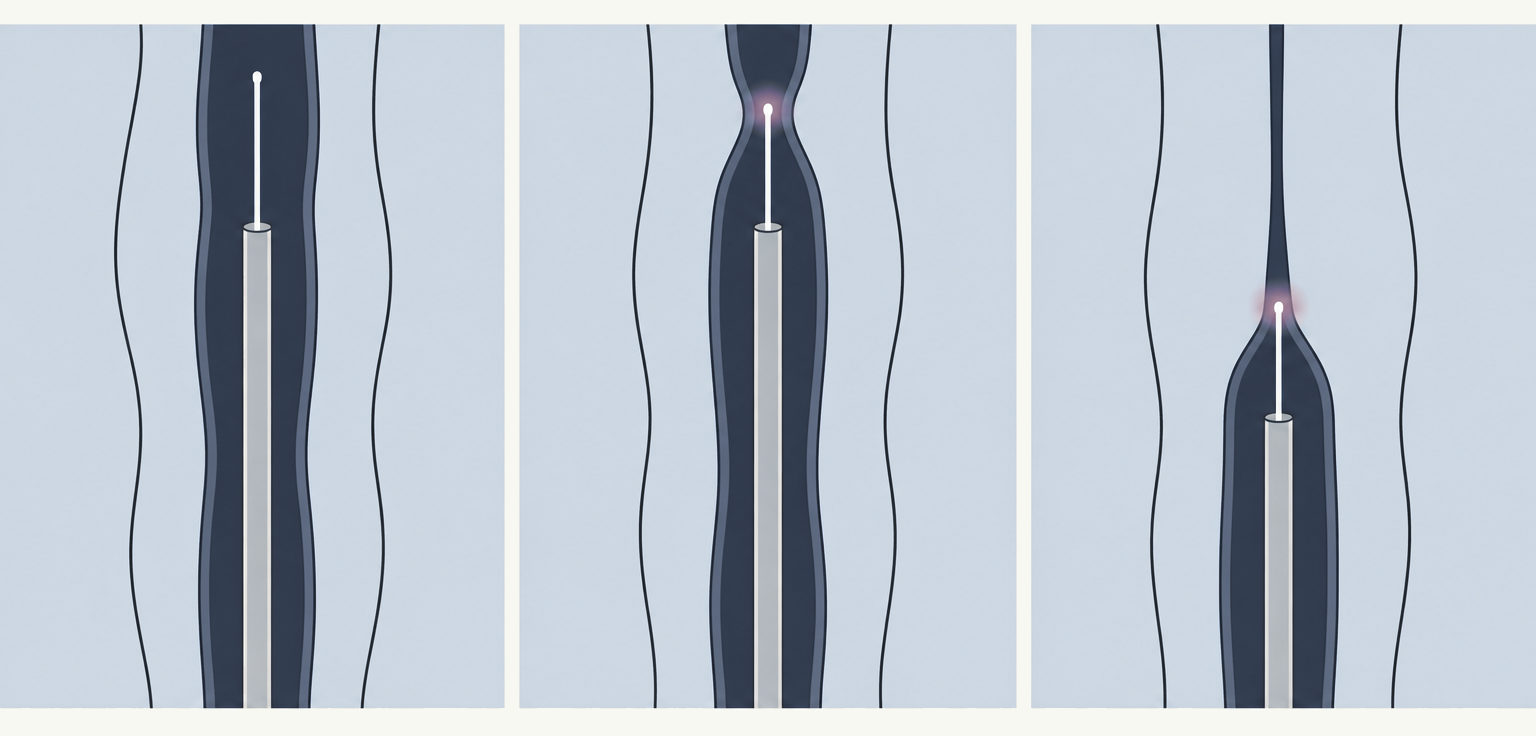
Endovenous thermal ablation (ETA) is a minimally invasive procedure used to treat varicose veins. It involves using heat energy, either through laser or radiofrequency, to close and seal the affected vein. This procedure has a shorter recovery time compared to traditional surgical methods, with minimal scarring.
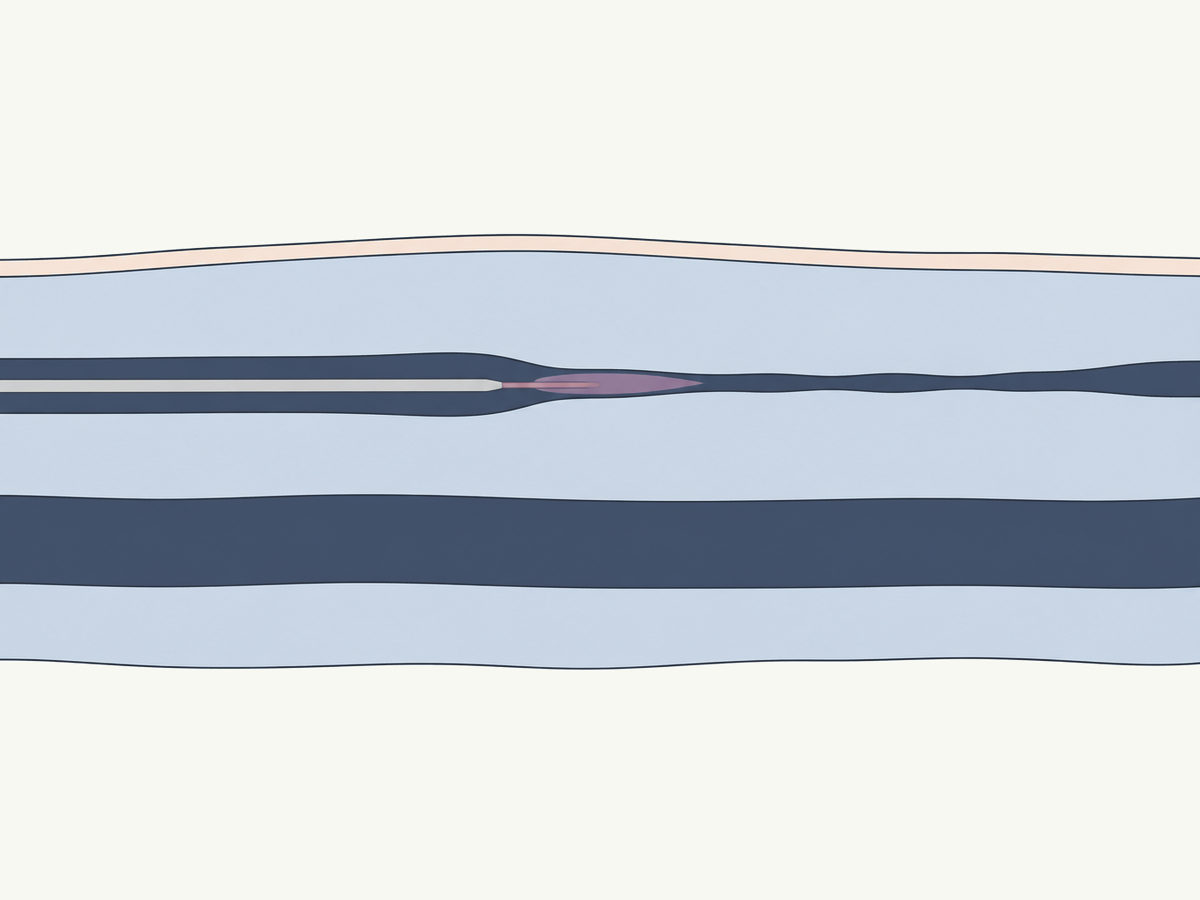
Vein glue treatment is a minimally invasive treatment for varicose veins that uses a medical adhesive to close off the affected veins. It involves injecting the adhesive into the affected vein to seal it shut.
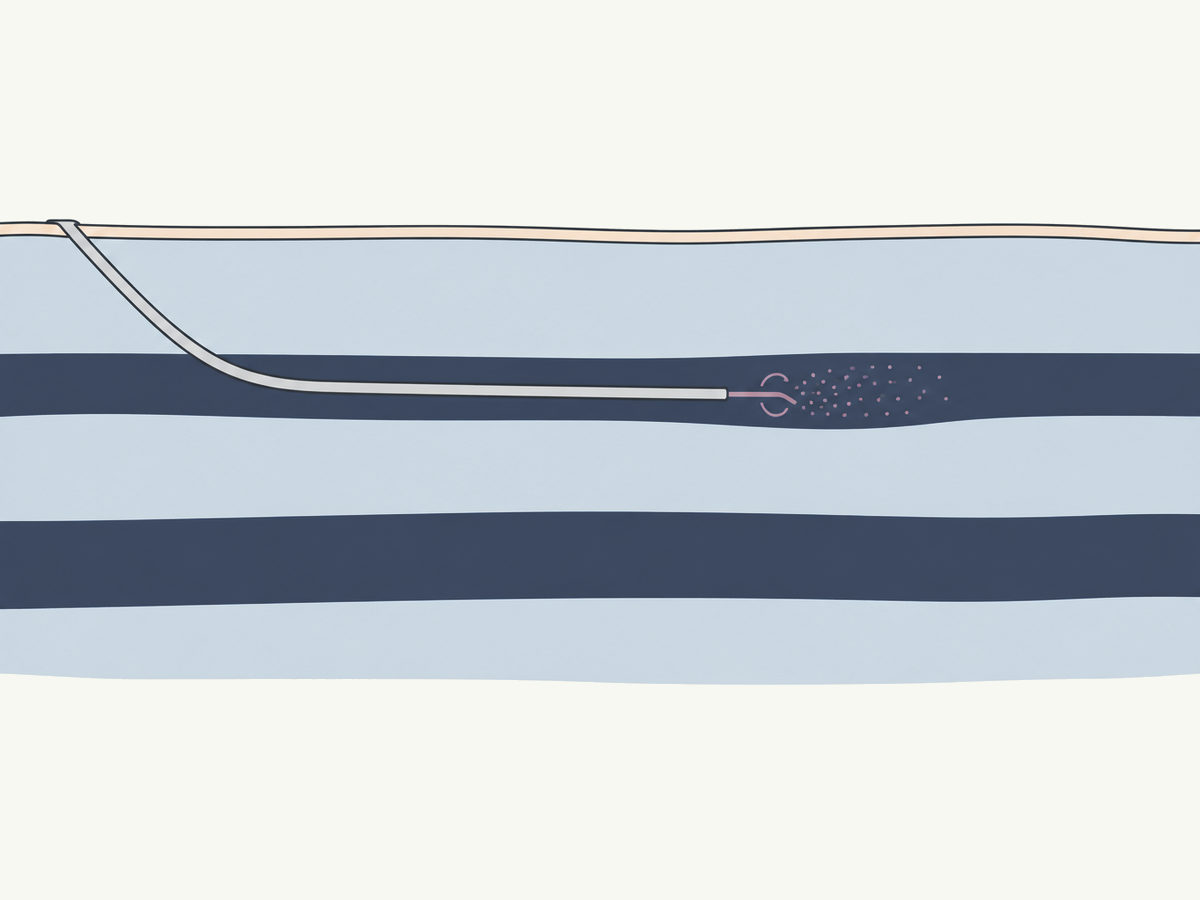
Mechanochemical ablation, often shortened to MOCA, closes the faulty vein from inside without heat. It combines a thin rotating wire with a medicine called a sclerosant, which seals the vein.
A thin catheter is passed into the vein through a small needle puncture, guided by ultrasound.
As the wire turns at its tip, it disturbs the inner lining of the vein while the sclerosant is released, and the vein walls close together.
Over the following months, the body breaks down the closed vein, and blood returns to the heart through the healthy veins.
Because no heat is used, it does not need the series of local anaesthetic injections placed around the vein for laser or radiofrequency treatment.
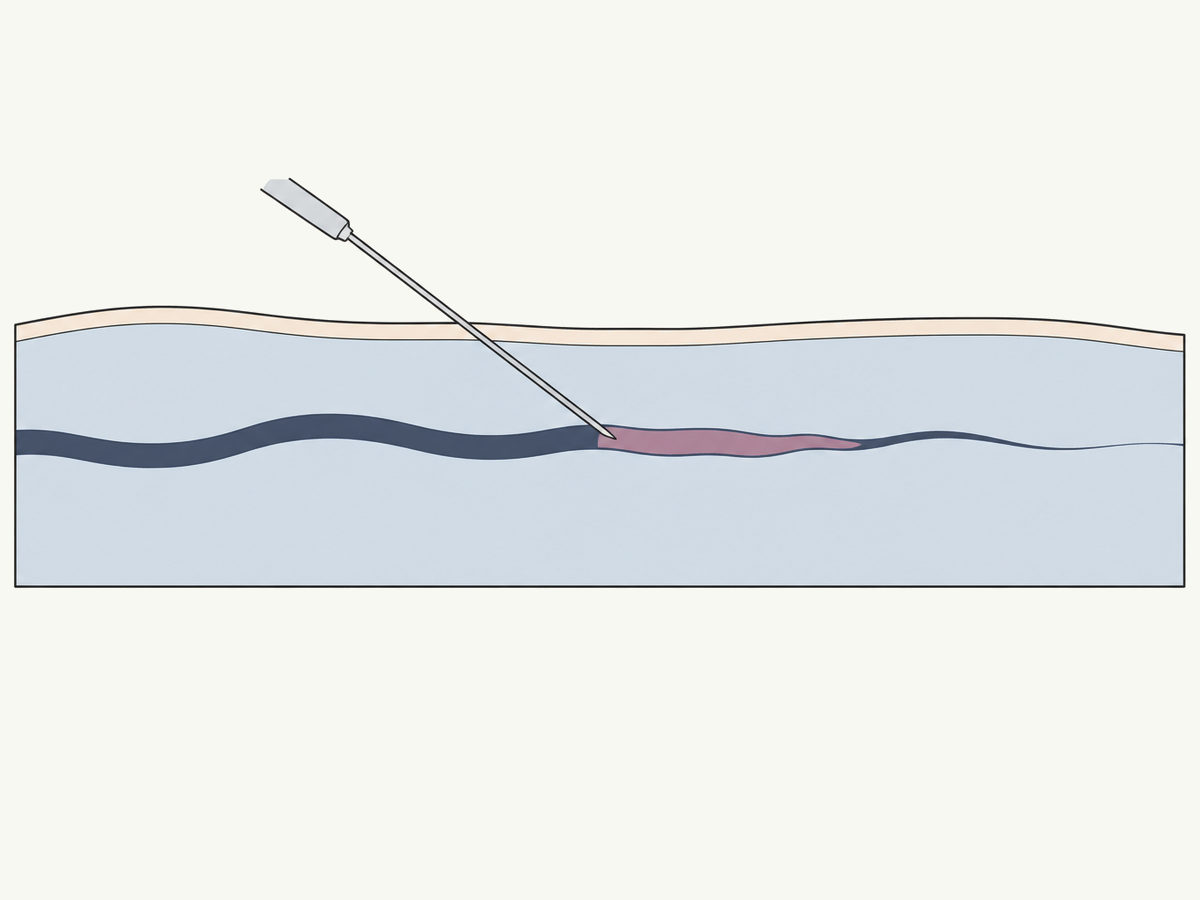
Sclerotherapy is a minimally invasive procedure used to treat varicose veins. It involves injecting a solution that irritates the lining of the veins, leading to the formation of scar tissue that closes off the affected vein.
Sclerotherapy is performed in an outpatient setting, does not require anaesthesia, and has minimal downtime.
Bulging veins near the surface of the leg can be removed through very small cuts, often alongside closing the main faulty vein.
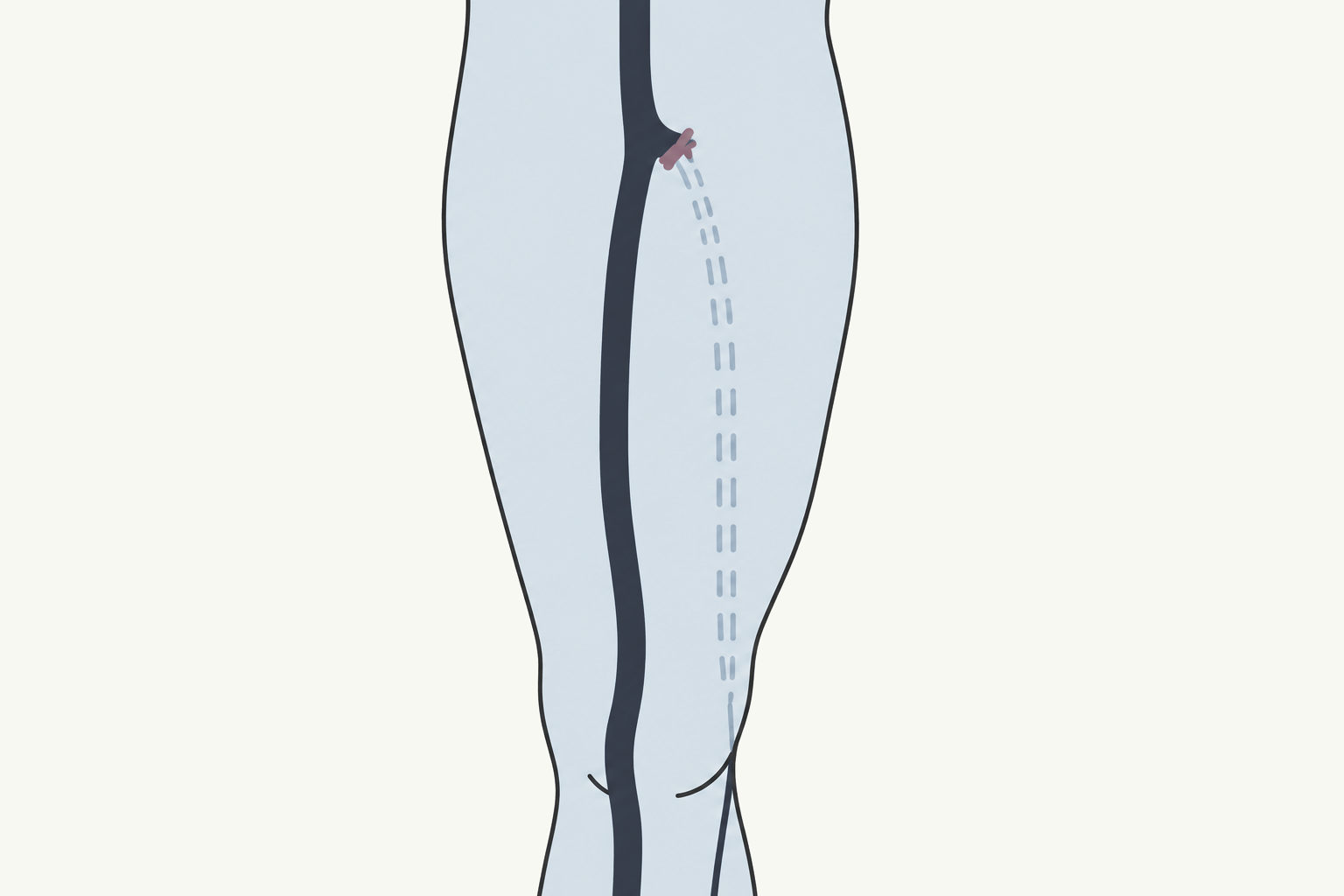
Varicose vein stripping and ligation is a surgical procedure used to treat varicose veins. It involves making small incisions near the affected veins to remove or tie off the veins.
This procedure is typically performed under general anaesthesia and requires a longer recovery than less invasive procedures. Varicose vein stripping and ligation is typically reserved for more severe cases of varicose veins or when other treatment options are ineffective.
It can also suit a vein too twisted for a catheter to pass, or varicose veins that return after earlier treatment.
The procedures that close the vein all aim to stop blood flowing backwards in the faulty vein. They differ in how the vein is closed, the anaesthetic needed, the recovery and how long they have been studied.
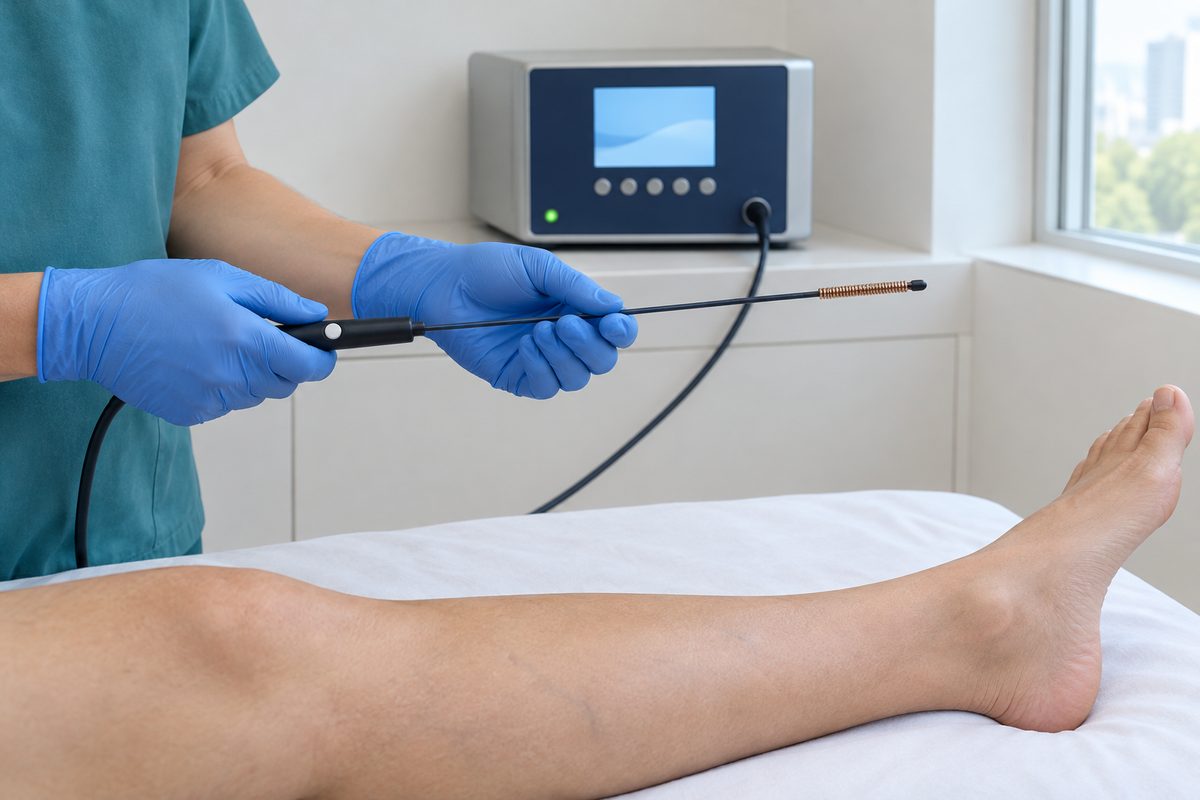
Compared with open surgery, closing the vein from inside needs no cut and no general anaesthetic, and people return to work sooner. Open surgery still suits some veins, such as one lying very close to the skin.

BM (Southampton), MMed Surgery (NUS), FRCS (Edinburgh)
He received specialised vascular and endovascular training in the UK, and was formerly Patient Safety Officer at Khoo Teck Puat Hospital.
More about Dr OoiWhat will you pay in cash?
For varicose vein day surgery that is medically indicated, MediSave may help, and an Integrated Shield Plan may also cover it, subject to your plan and panel.
Personal




Corporate












After the minimally invasive treatments, patients walk immediately and go home the same day.
After open surgery, a return to office-based work usually takes one to two weeks. After a procedure, Dr Ooi usually sees you twice.
Find out what to expect during the recovery period after your varicose vein treatment. Understand the typical recovery times, post-procedure care, and guidelines to help you resume your daily activities.
Serious complications are uncommon. Each treatment's own page lists its possible side effects, and bruising or tenderness along the treated vein is common after most of them.
#13-06 Mount Elizabeth Medical Centre
+65 6737 1180
Medical Centre D, #07-58, 820 Thomson Road
+65 6265 8820
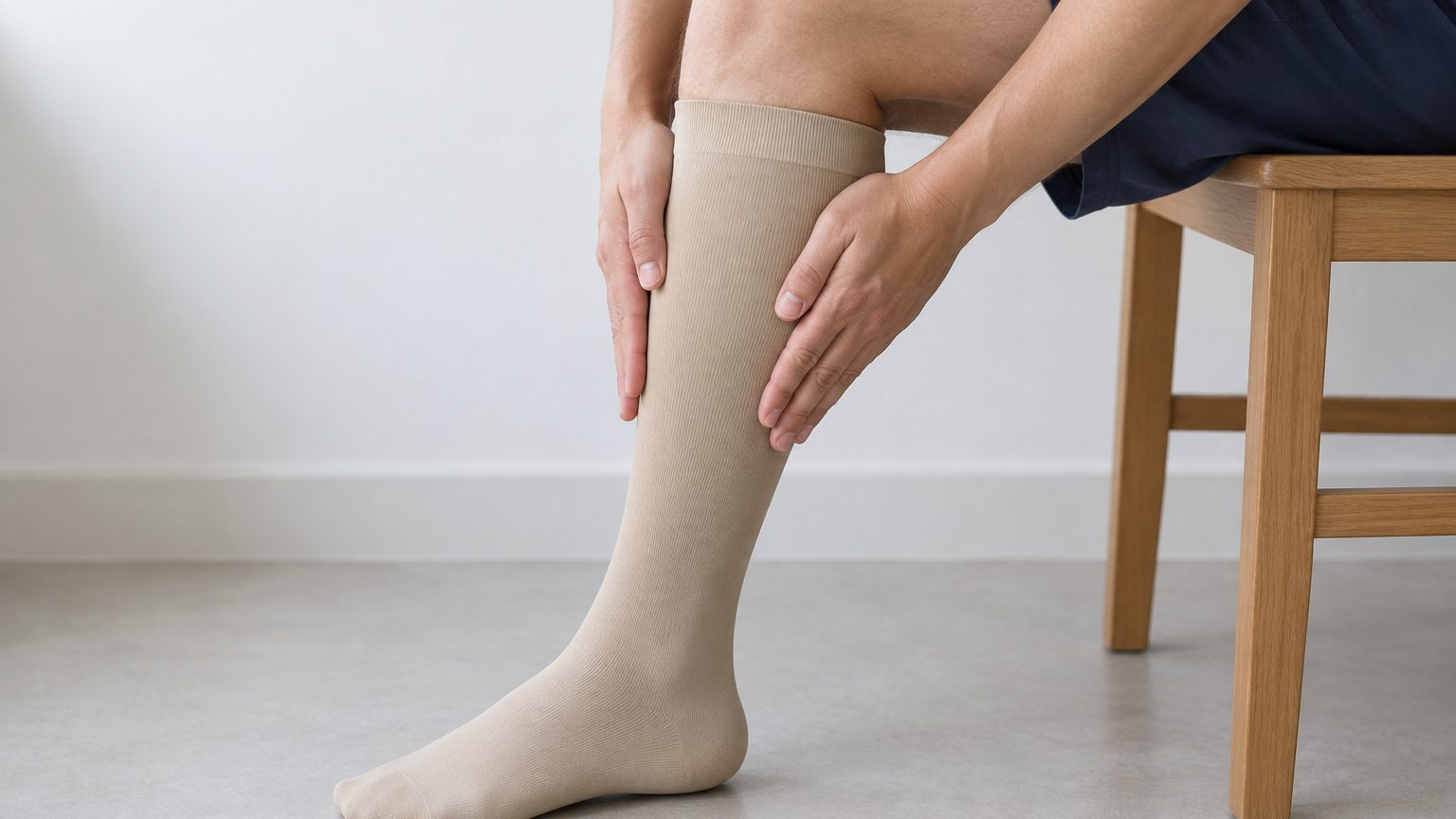
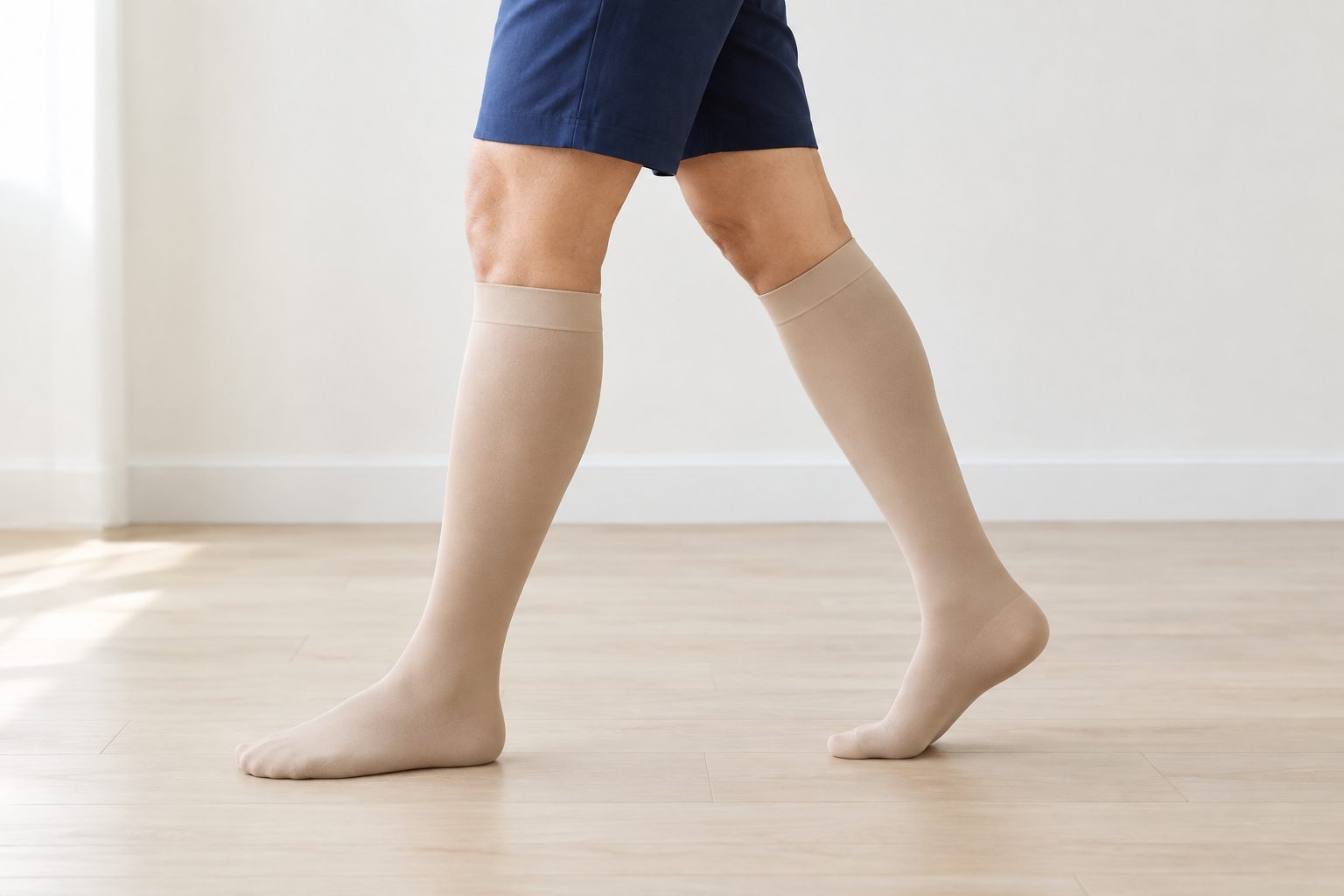
Compression stockings are specialised garments designed to improve blood circulation in the legs by exerting gentle pressure to support the vein walls and enhance blood flow back to the heart. Compression stockings serve as a non-invasive treatment option for managing varicose veins.
While lifestyle changes can help manage symptoms, they won't eliminate varicose veins.
Medicine for varicose veins is explained in its own article.
The faulty vein can be closed from inside, removed through small cuts or an open operation, or treated with injections.
Which of these suits you depends on your symptoms and your duplex ultrasound findings.
Varicose veins are swollen, twisted veins that commonly occur in the legs due to weakened or damaged vein valves.
These swollen, twisted veins can cause discomfort, swelling, and aching, affecting your daily life. There are a variety of treatment options available to remove them, ranging from minimally invasive procedures to surgery.
On this page, surgery means stripping and ligation, an open operation that ties off and removes the faulty vein.
Some people call it varicose veins surgery or varicose vein removal surgery. The other procedures close or remove the vein without an open operation. Where they are called day surgery, that means you go home the same day, not that you have an open operation.
No single treatment suits everyone.
The right choice depends on your scan findings, the size and shape of your veins, your symptoms, your general health and your own preferences.
A 2025 review of the published studies found fewer nerve injuries and burns with the methods that use no heat, which may matter most below the knee.
It also found a slightly lower rate of the vein staying closed with them, and less long-term evidence.
Its evidence beyond five years is more limited than for laser and radiofrequency treatment, which have been studied for more than two decades, so it is offered to selected patients whose veins suit it.
A duplex ultrasound scan shows whether your vein is suited to it.
Possible side effects include bruising or tenderness, an inflamed vein called phlebitis, darker skin over the treated vein, and a vein that does not close fully or opens again.
An allergic reaction to the sclerosant and a clot in a deep vein are rare.
Medication and compression stockings may help with mild symptoms but they do not treat the root cause of varicose veins.
Exercise, raising the legs and compression stockings can ease the symptoms, but they cannot repair damaged vein valves or stop the backward flow of blood.
The article on how home care helps, and its limits explains what you can do at home.
Treatment is generally recommended when varicose veins cause troublesome symptoms, affect your daily life, bleed or form a clot, or come with skin changes or a leg ulcer.
Some people have mild veins that cause no symptoms and can be observed.
For most people, varicose veins are not dangerous.
In some people they cause lasting symptoms and, left untreated, may lead over time to skin changes or a leg ulcer, which are set out in the article on when to worry about varicose veins.
They can. A treated vein occasionally reopens, but new varicose veins more often come from another vein whose valves fail later.
An accurate duplex scan before treatment, and treating each leaking vein that matters, makes it less likely.
Diabetic patients can get their varicose veins treated using minimally invasive techniques that leave minimal wounds that heal well.
Varicose vein treatments are usually done as a day surgery. Patients will be discharged after the procedure.
After stripping and ligation, some patients stay overnight.
While Dr Ooi provides his patients with a 2 week medical certificate, some patients may be able to return to work within 4-5 days.
Low-impact exercises like walking are allowed after treatment, but patients should avoid strenuous exercises for at least a week.
The blood in the affected veins will reroute into your healthier veins and flow normally after varicose vein treatment.
Depending on the severity and symptoms of your varicose veins, your treatment can be insurance claimable. Contact our clinic to find out more information on your out-of-pocket fees.
It depends on the treatment, how severe the veins are and other factors.
The costs page sets out how MediSave and insurance apply.
If you are unsure which varicose vein treatment suits your veins, message the clinic. You can ask before you arrange anything. Family members can also message on a patient's behalf.