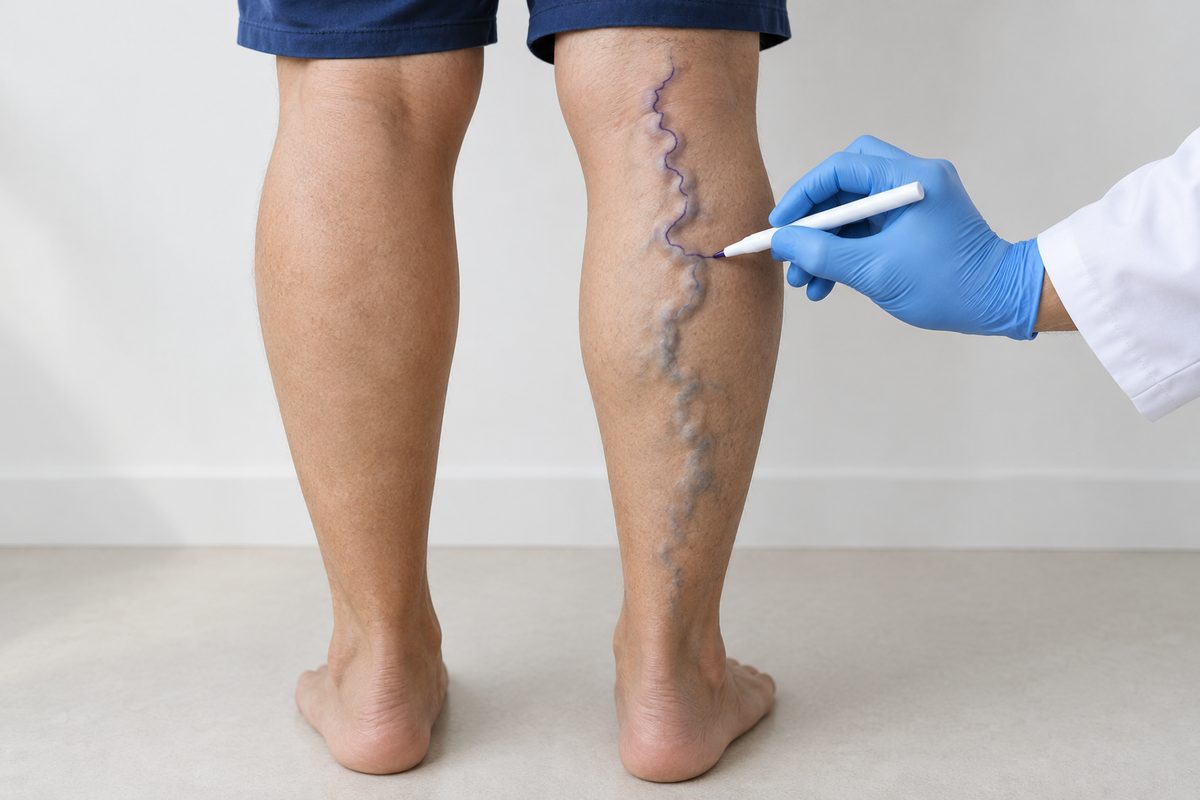
In his practice, a varicose vein operation usually has two parts: closing the main faulty vein, then removing the bulging veins.
Mini phlebectomy is that second part.
What mini phlebectomy removes, and when it is advised
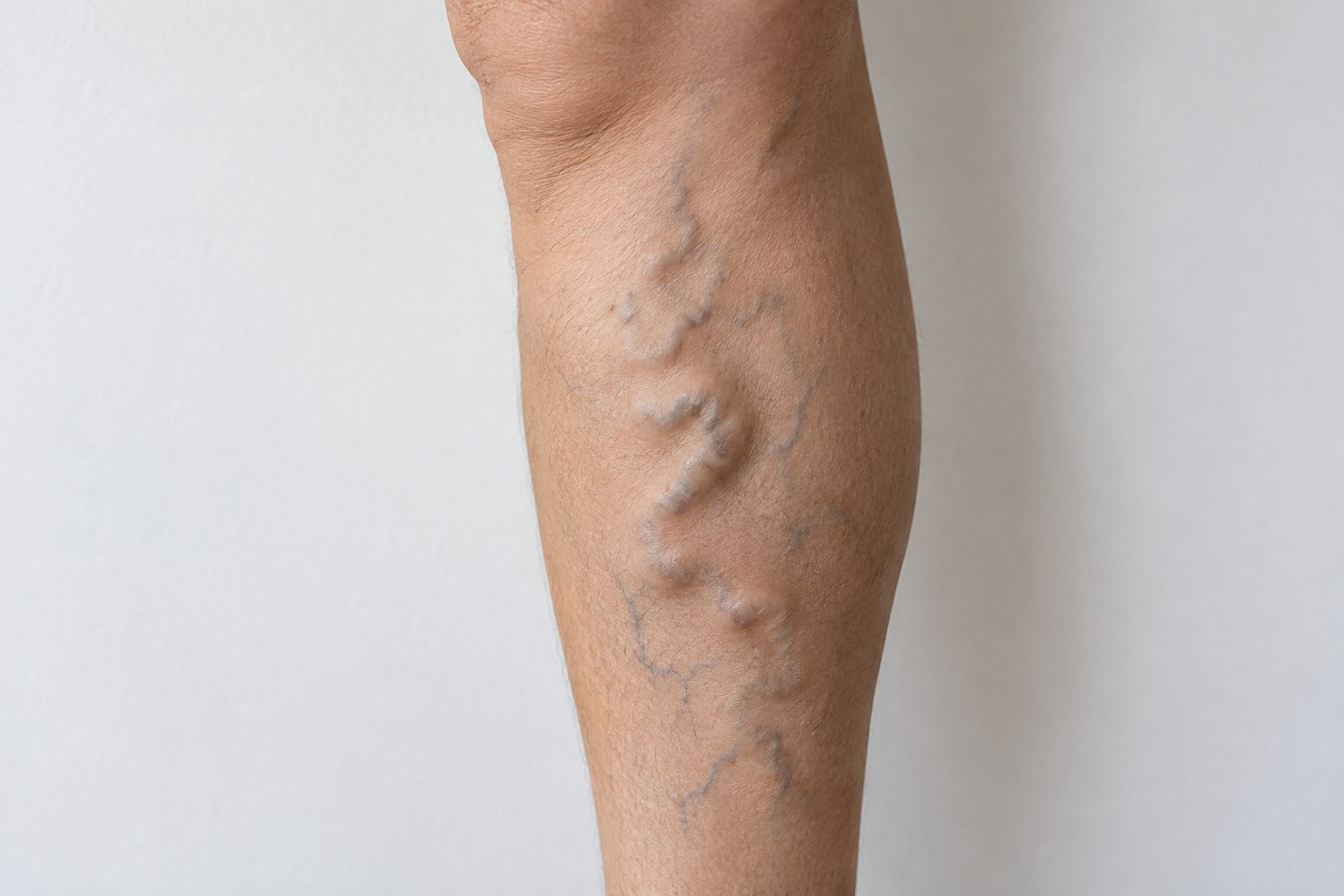
Varicose veins often start from a leaking main vein deeper in the leg, with bulging branch veins near the skin.
Closing the main faulty vein treats the source of the leak, and many of the branches then shrink over six weeks to six months, though some remain.
Mini phlebectomy is used for:
- Bulging branch veins, in the same operation as the vein closure or later
- Larger branch veins, while smaller ones may suit sclerotherapy
- Bulging veins on their own, when the scan shows the main veins are working normally
European guidelines recommend phlebectomy, foam sclerotherapy or both for treating these branch veins.
How a mini phlebectomy is done, through very small cuts
- The bulging veins are marked on the skin beforehand, with you standing, when they show most clearly.
- The skin over each vein is numbed with local anaesthetic.
- Through cuts of about 2 to 3 mm, short pieces of the vein are lifted out with a fine hook.
- The leg is then wrapped in a compression bandage or stocking.
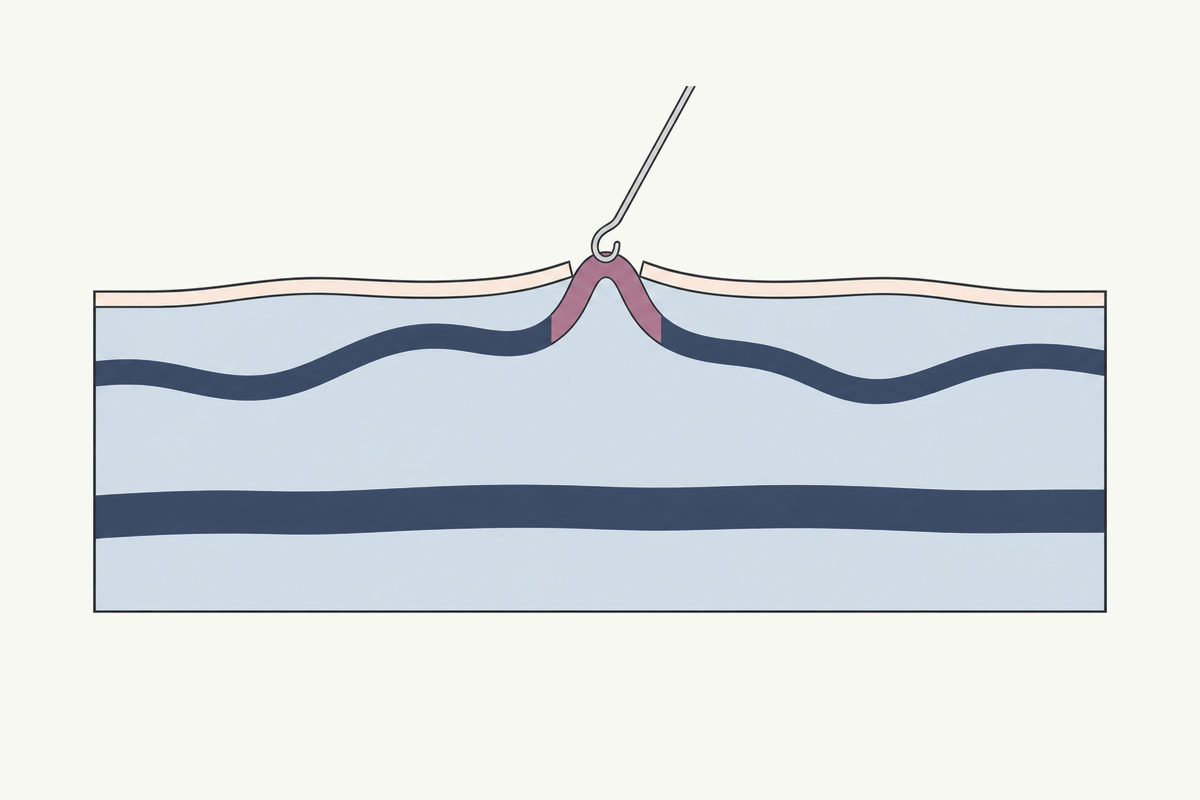
It is usually done as a day procedure.
When it is part of a vein closure operation, an anaesthetist is part of the team, and the anaesthetic is explained to you beforehand.
Mini phlebectomy with vein closure, in one operation or later
When the main faulty vein is closed from inside, by radiofrequency ablation or another method, the bulging branches can be removed in the same operation.
In trials, removing them at the same time meant fewer people needed a further treatment later.
Those who had both at once also felt better sooner, though by one year the two groups were alike.
Whether to remove the bulging veins at the same time, or wait to see whether they shrink, is decided with you.
Varicose vein treatment sets out each way of closing the main vein.
Sclerotherapy vs phlebectomy for bulging veins
Sclerotherapy closes a vein with injections of a solution, while mini phlebectomy takes the vein out.
| Point | Mini phlebectomy | Sclerotherapy |
|---|---|---|
| How it works | Removes the vein through very small cuts | Closes the vein with injections |
| Anaesthetic | Local anaesthetic numbs the skin | Not needed |
| Suited to | Larger bulging branch veins | Smaller veins |
| Side effects to know | Small blisters, darker skin, small scars | Hard or lumpy veins, brown lines on the skin |
The choice depends on the size of the veins, the scan and your own preference, and the two are often combined.
Recovery after mini phlebectomy, and possible side effects
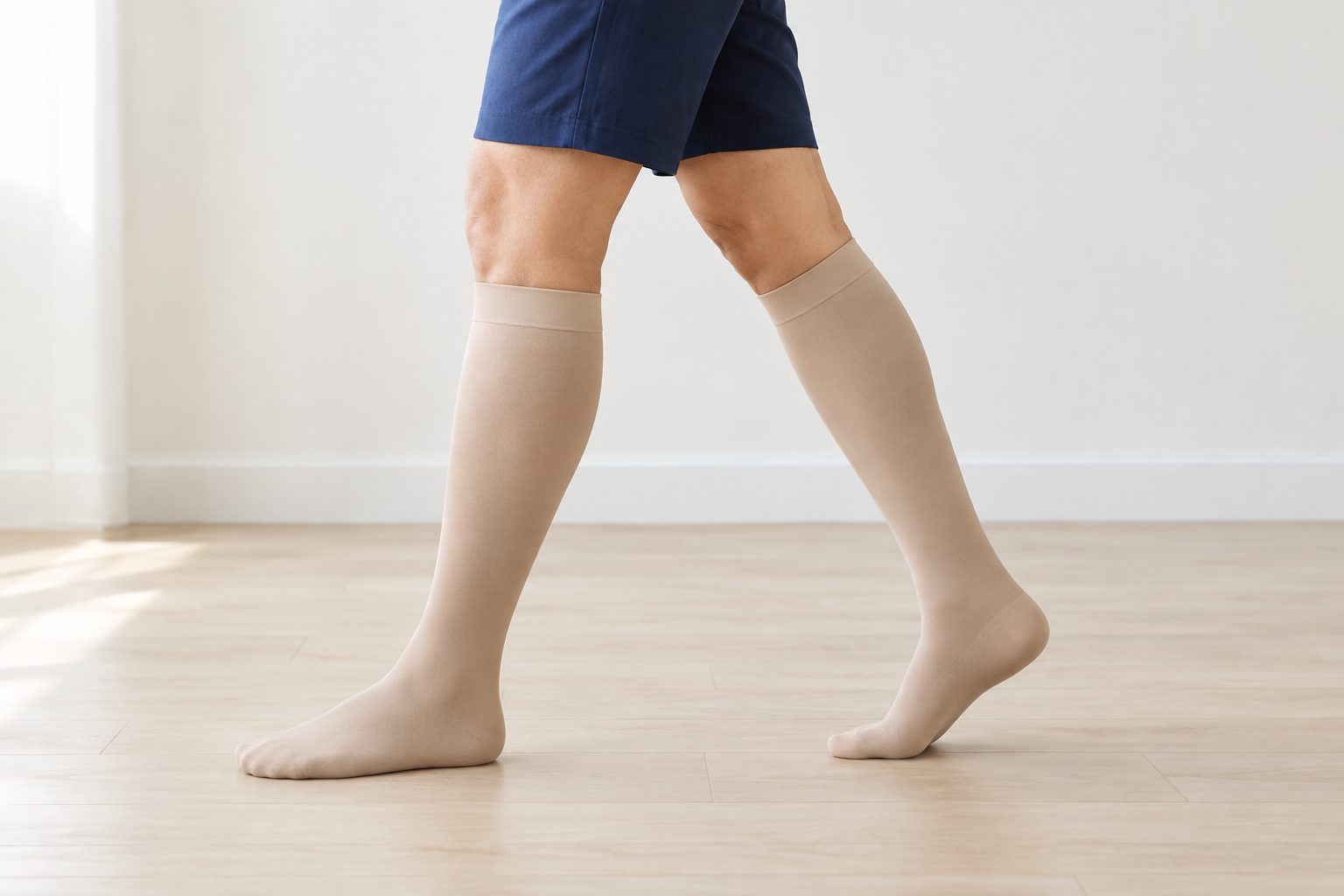
Walking is encouraged straight after the procedure, as after vein closure.
Compression stockings are usually worn for 1 to 2 weeks.
Problems are generally infrequent and mild. They include:
- Small blisters, or darker skin over a treated vein
- Fine new red veins near the treated area
- An inflamed surface vein, or numbness or tingling near a cut
- Rarely, bleeding, a large bruise, infection or a clot in a deep vein
The very small cuts can leave small scars.
There is more on recovery after varicose vein treatment and on compression stockings.
Phlebectomy cost, and how insurance may help
The cost depends on how many veins are removed, whether it is part of a vein closure operation, and where it is done.
Hospital, anaesthetist and device charges, and any second procedure such as phlebectomy, are billed separately and given to you as a written estimate before surgery.
Insurers are more likely to cover treatment that is medically necessary rather than cosmetic.
Costs and insurance explains MediSave and Integrated Shield Plans.
Questions about ambulatory phlebectomy
What is a varicose vein phlebectomy?
It is a procedure that removes bulging varicose veins near the skin through very small cuts. It is also called ambulatory phlebectomy, mini phlebectomy, microphlebectomy or stab phlebectomy.
How much is an ambulatory phlebectomy?
The ambulatory phlebectomy cost depends on how many veins are removed and whether it is part of a vein closure operation. After your consultation and duplex scan, the clinic gives you a written estimate before surgery.
What type of surgery is used to treat varicose veins?
Most varicose veins are treated by closing the main faulty vein from inside, usually as a day procedure. Mini phlebectomy or sclerotherapy then treats the bulging branches, and open surgery is kept for selected cases.
Will insurance pay for vein removal?
Insurers are more likely to cover treatment that is medically necessary rather than cosmetic, for example when veins cause aching, ankle swelling, skin changes, bleeding or a leg ulcer. Cover differs from policy to policy, so check your benefits with your insurer first.
Is it better to remove varicose veins or leave them?
Not every varicose vein needs treatment, and many cause no harm beyond how they look. Treatment is considered when they cause symptoms, skin changes or other problems, and the choice is made with you after a scan.