Advanced Vascular Centre, Mount Elizabeth
#13-06 Mount Elizabeth Medical Centre
+65 6737 1180
After radiofrequency ablation, the closed vein collapses and is eventually reabsorbed by the body
Radiofrequency ablation closes a faulty leg vein from inside, through a needle puncture. Dr Desmond Ooi, a vascular surgeon, performs it as a day procedure under local anaesthetic.
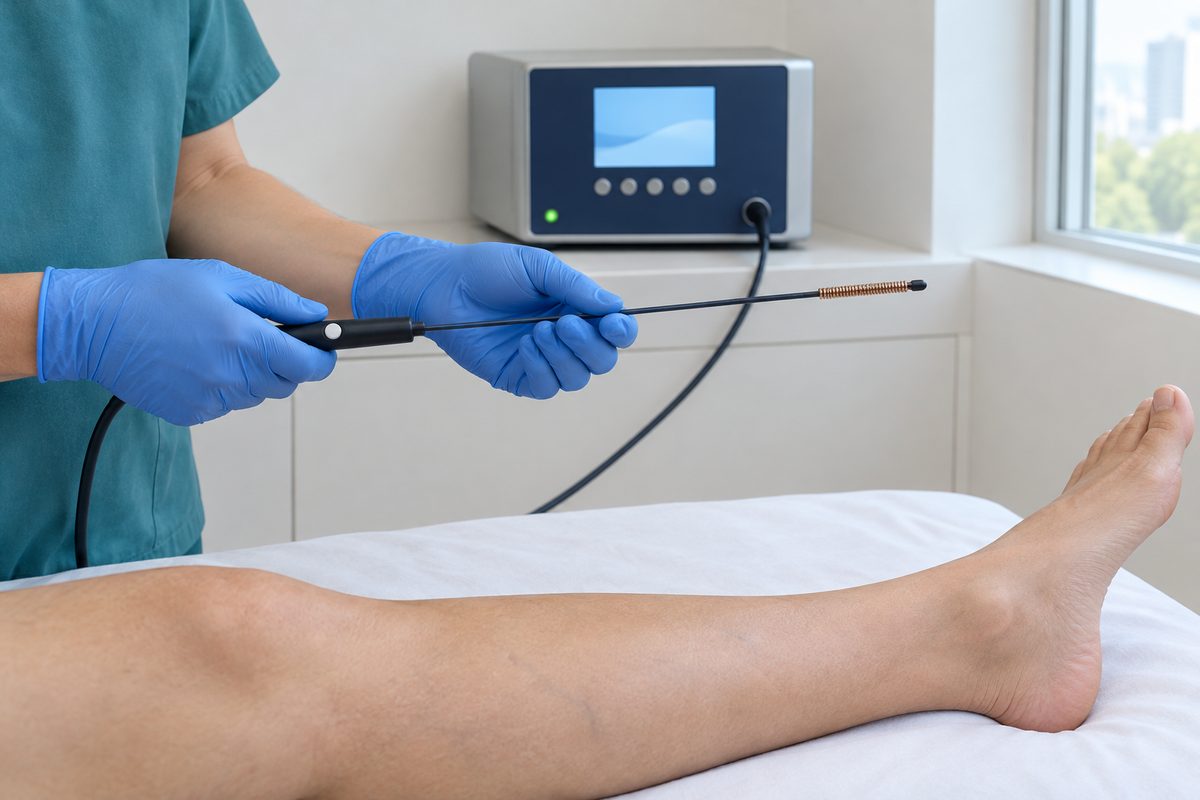
It is an endovenous treatment, which means it works from inside the vein.
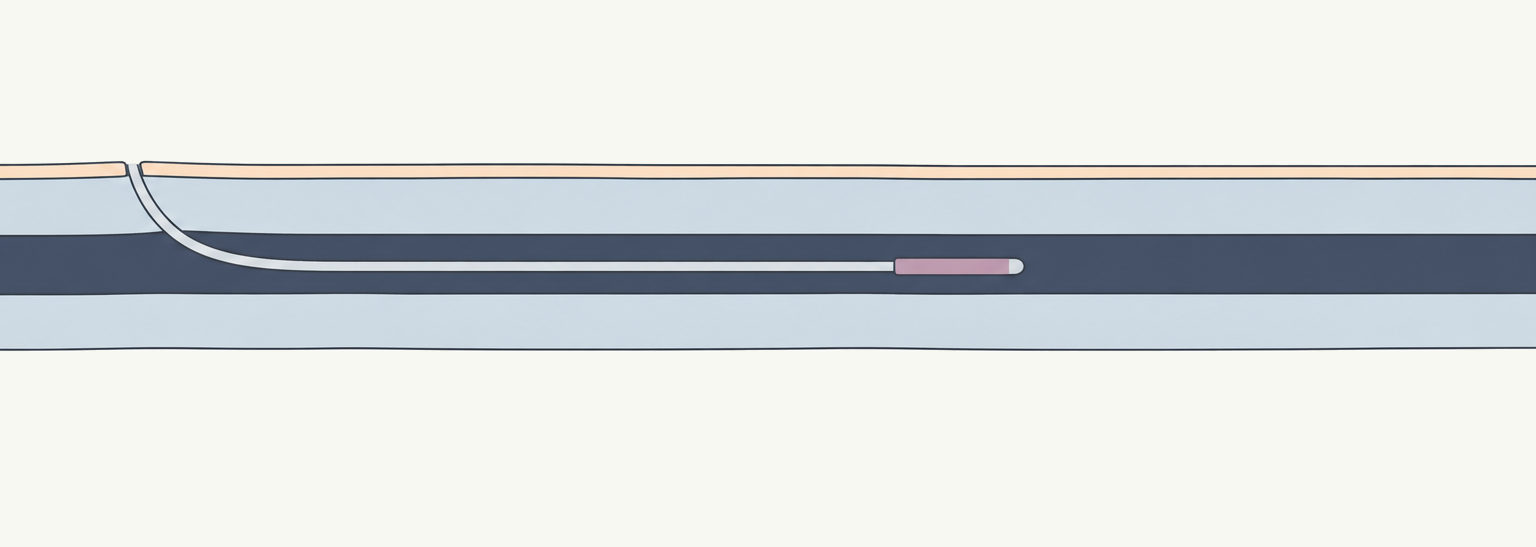
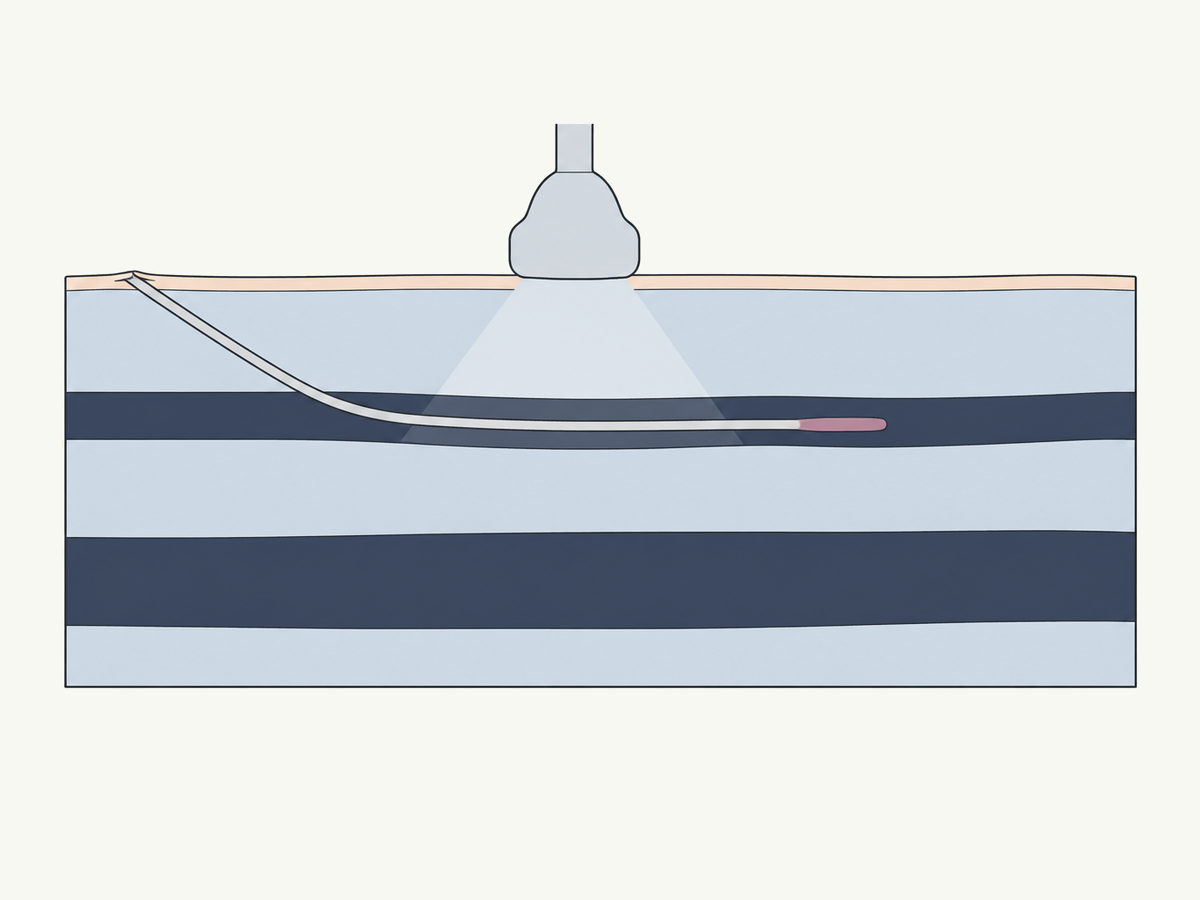
A thin catheter is passed into the faulty vein through a small needle puncture, guided by ultrasound.
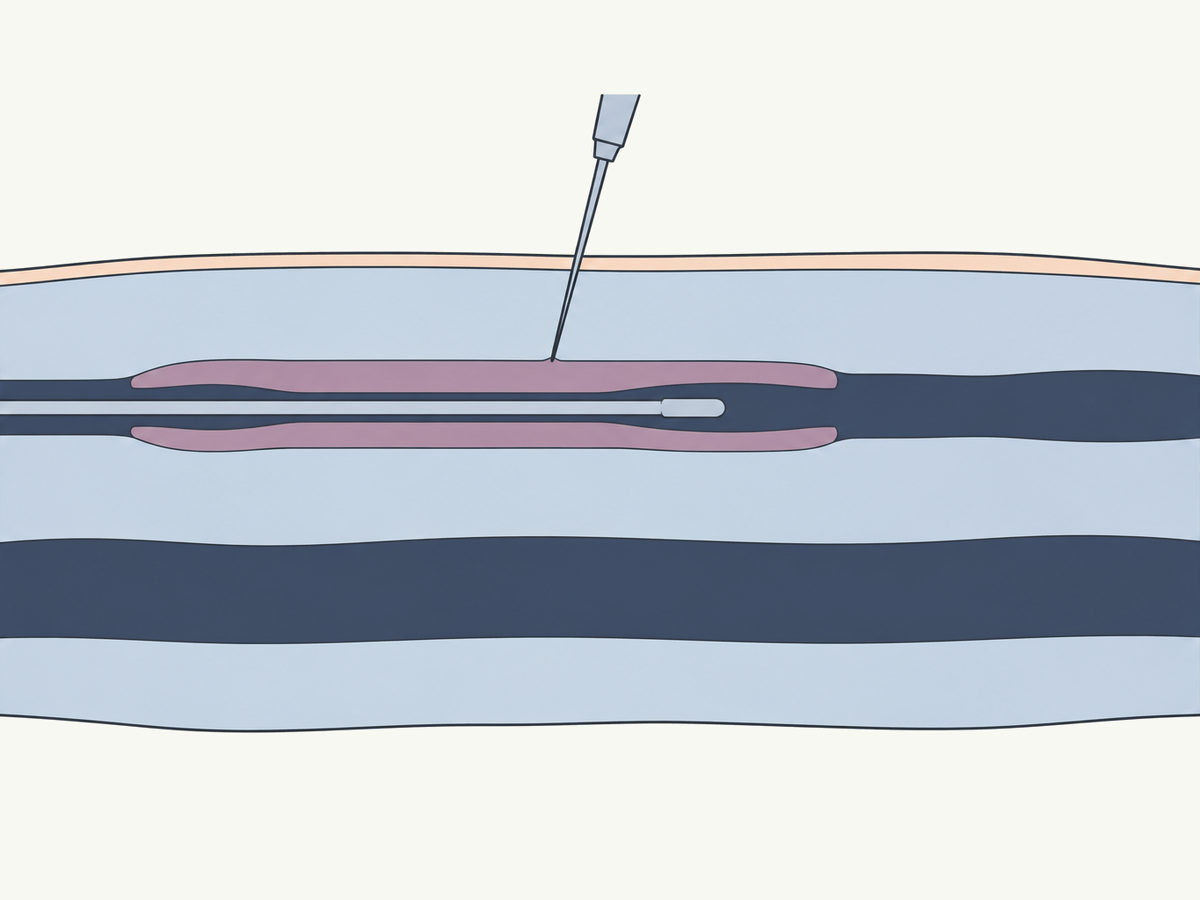
A dilute local anaesthetic is injected around the vein. It numbs the area, shields the nearby tissue from the heat and presses the vein onto the catheter.
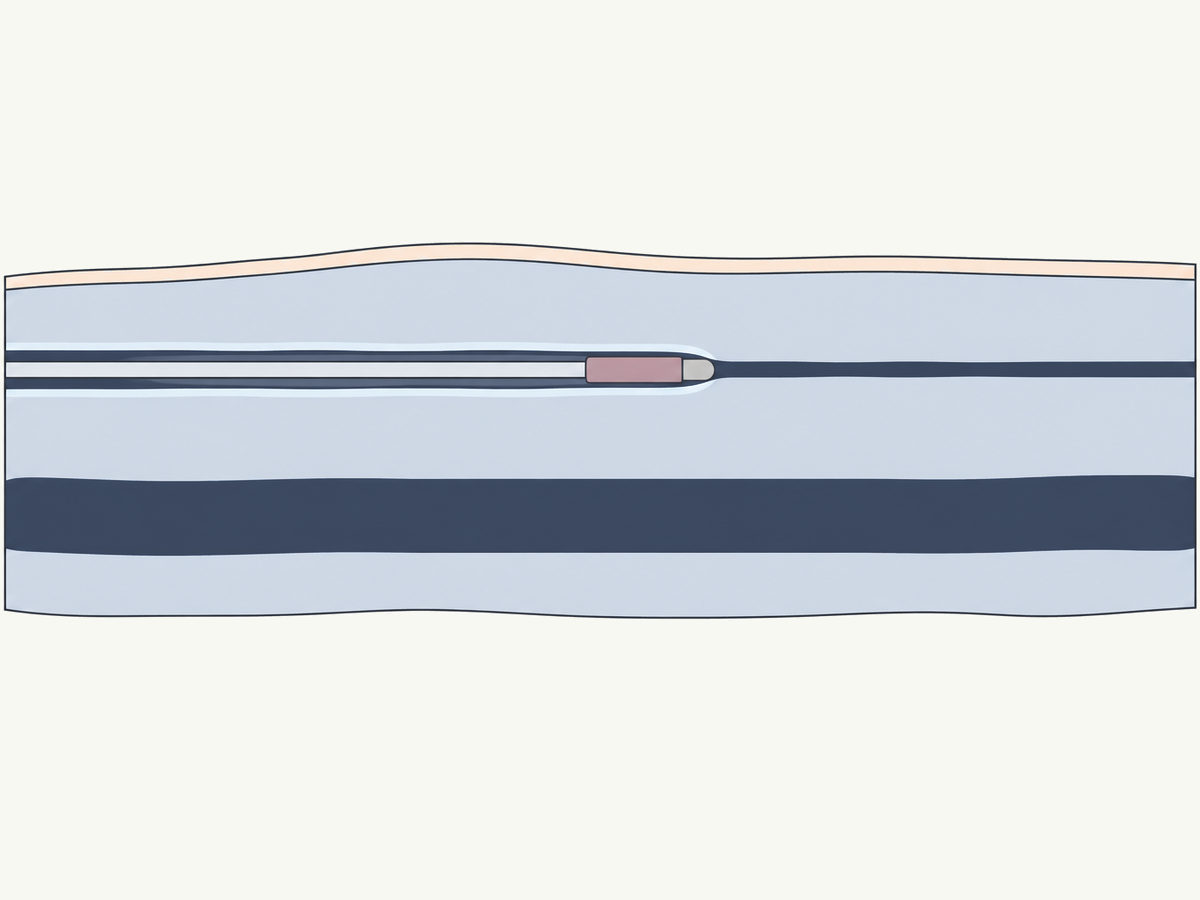
The catheter heats the vein wall in short cycles, and the vein closes.
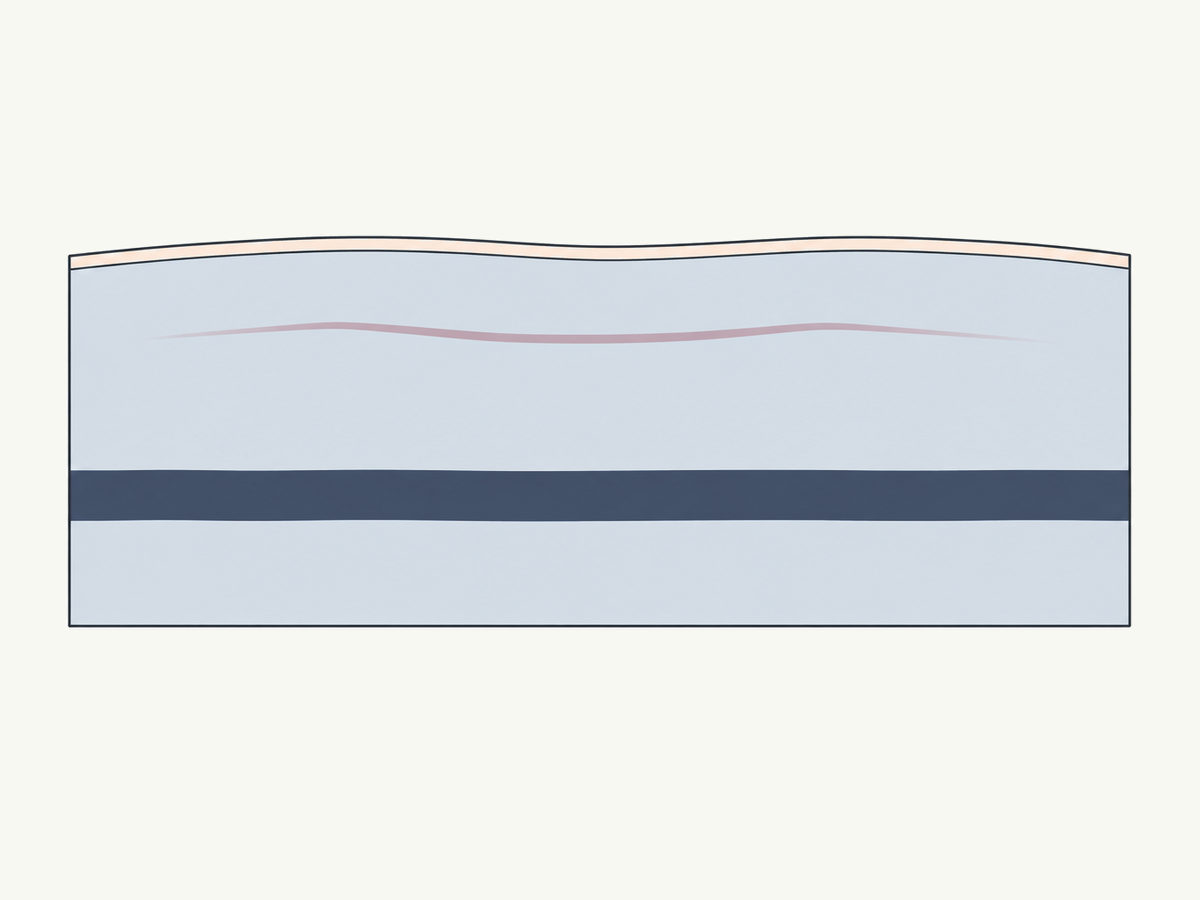
Over the following months, the body breaks down and absorbs the closed vein, and blood returns to the heart through the healthy veins.
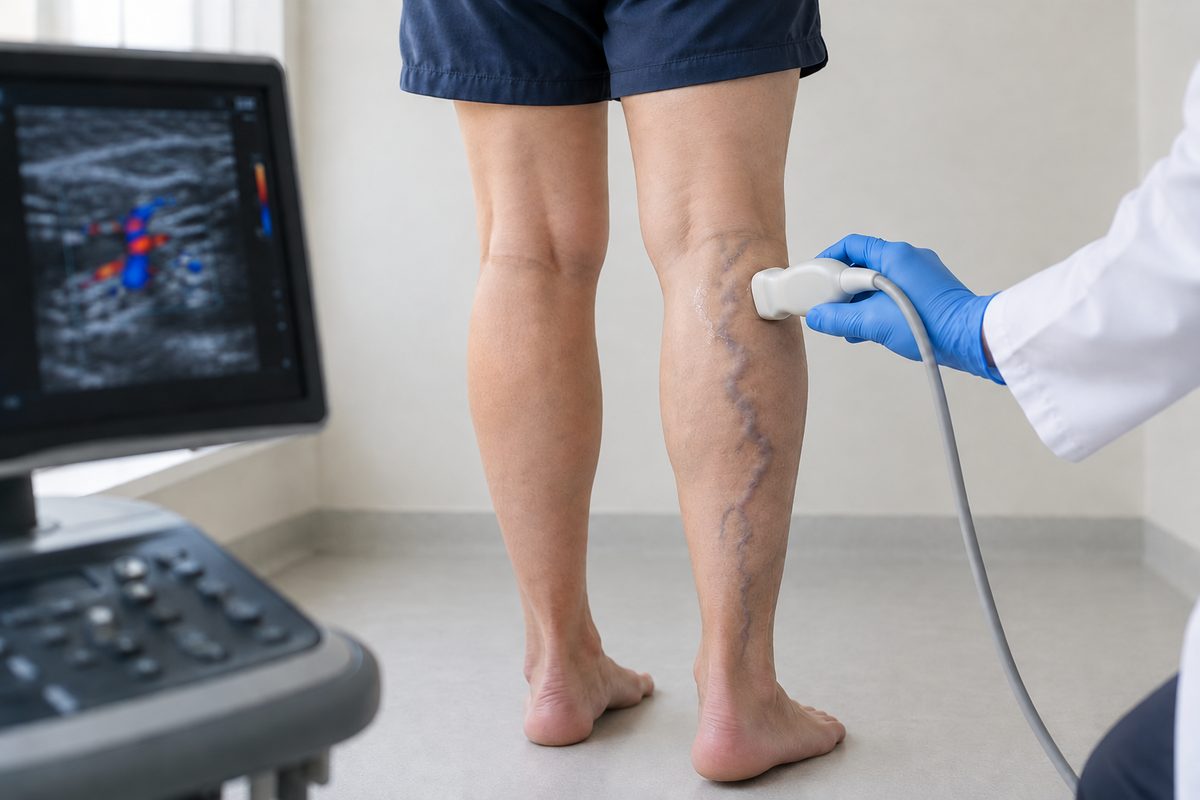
The scan shows which veins leak, and where. Radiofrequency ablation treats a main vein under the skin whose valves let blood fall back, most often the great saphenous vein, the longest surface vein in the leg.
Another method may suit better when:
Which treatment suits you depends on the shape of your veins and the pattern of leaking on the scan.
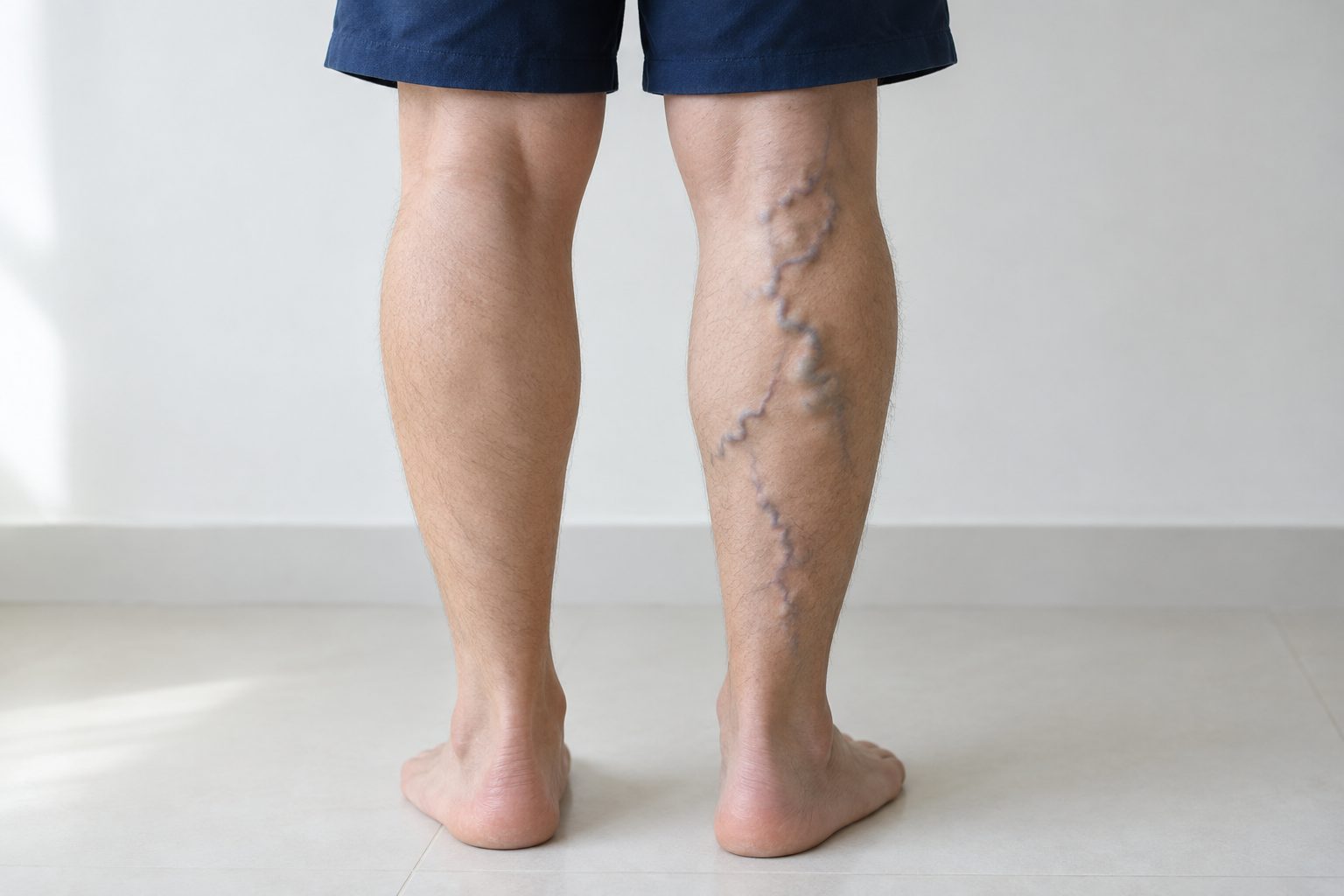 Varicose veins and their symptoms
Radiofrequency ablation is done in an outpatient procedure room or a day surgery centre, under local anaesthetic.
Most people walk straight away. As a guide:
Normal daily activities:
within 24 hours
Back to work:
Dr Ooi gives a two-week medical certificate, and some patients may return within 4 to 5 days
Driving:
once you can safely make an emergency stop
Strenuous exercise:
after 1 to 2 weeks
Compression stockings are commonly prescribed afterwards. For the first one to two weeks, you may be advised to avoid heavy lifting, high-impact or contact sport, hot baths and saunas, and long periods without moving, including long-haul flights.
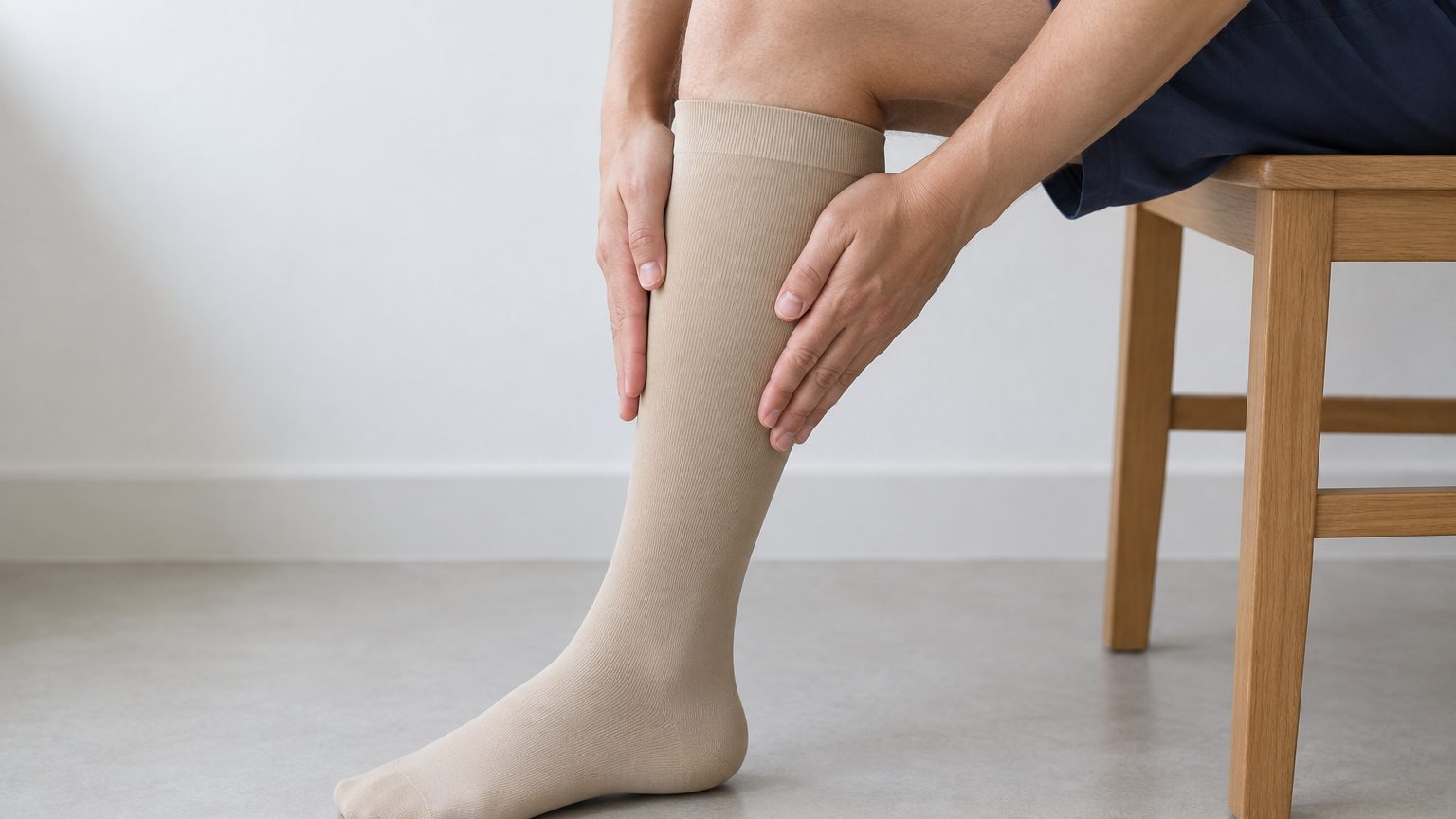
Mild bruising, tenderness or a tight feeling along the treated vein is common, and it settles over days to weeks. Many patients are reviewed several weeks later, and a follow-up scan may be arranged to check that the vein has closed.
Serious complications are uncommon. Possible side effects include:
Radiofrequency ablation and laser treatment both close the vein with heat, so both need the local anaesthetic injected around the vein.
Medical glue and mechanochemical ablation close it without heat, so they need no anaesthetic injected along the vein. A 2025 review found fewer nerve injuries and burns with these methods, which may matter most below the knee, but a slightly lower rate of the vein staying closed, and their long-term evidence is more limited.
Stripping and ligation is open surgery. Closing the vein from inside needs no cut and no general anaesthetic, and people return to work sooner. Open surgery still suits some veins, such as one lying very close to the skin. Sclerotherapy injections treat smaller veins, such as spider veins.

BM (Southampton), MMed Surgery (NUS), FRCS (Edinburgh)
He received specialised vascular and endovascular training in the UK, and was formerly Patient Safety Officer at Khoo Teck Puat Hospital.
More about Dr OoiWhat will you pay in cash?
For varicose vein day surgery that is medically indicated, MediSave may help, and an Integrated Shield Plan may also cover it, subject to your plan and panel.
Personal




Corporate













#13-06 Mount Elizabeth Medical Centre
+65 6737 1180
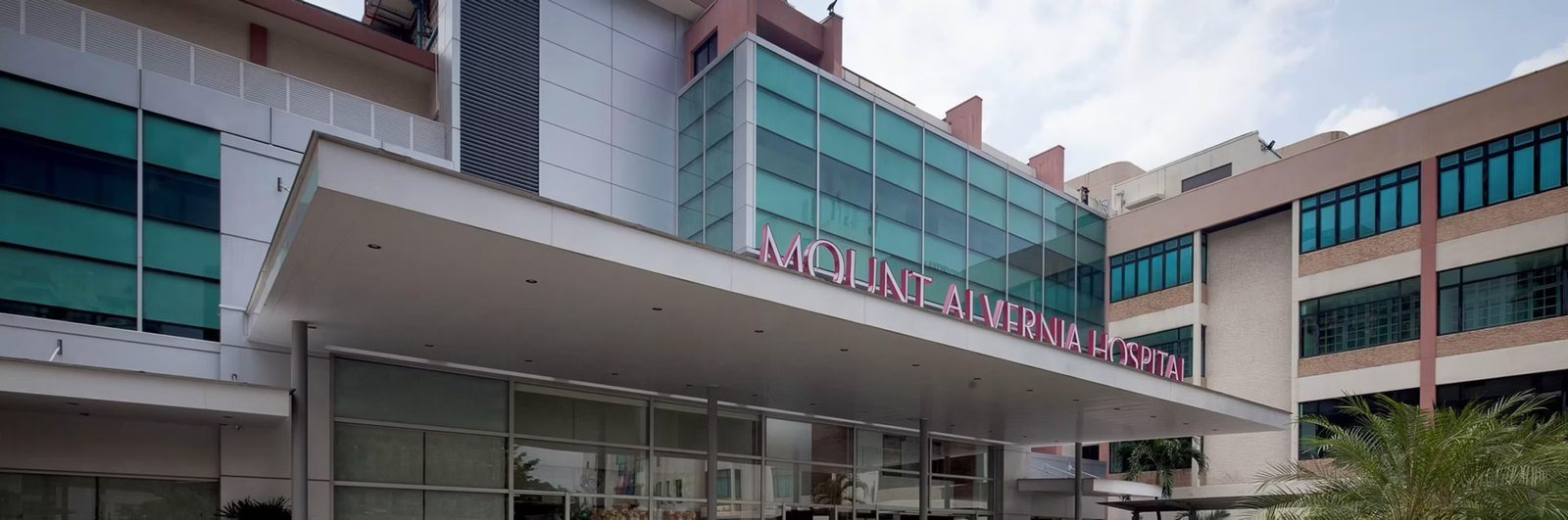
Medical Centre D, #07-58, 820 Thomson Road
+65 6265 8820
It is done under local anaesthetic, so the area is numbed first, and the injections may sting briefly.
Bruising or tenderness along the vein afterwards is common, and it settles over days to weeks.
Closing it does not reduce the circulation in your leg, because the vein was no longer working properly.
Blood returns to the heart through the healthy veins instead.
Radiofrequency ablation is a day procedure, and patients usually walk straight away and go home the same day.
Most procedures take 30 to 60 minutes, depending on the number of veins and how complex they are.
They can. A treated vein occasionally reopens, but new varicose veins more often come from another vein whose valves fail later.
A careful duplex scan before treatment, and treating every leaking vein that matters, lowers the chance.
Short flights may be possible within a few days for suitable patients.
Long-haul flights may need a longer wait, so mention any trip before the procedure is booked.
For varicose vein day surgery that is medically indicated, MediSave may help, and an Integrated Shield Plan may also cover it, subject to your plan and panel.
If you are unsure whether radiofrequency ablation suits your veins, message the clinic. You can ask before you arrange anything. Family members can also message on a patient's behalf.