Advanced Vascular Centre, Mount Elizabeth
#13-06 Mount Elizabeth Medical Centre
+65 6737 1180
Without incisions, vein glue treatment seals the affected vein with a medical adhesive
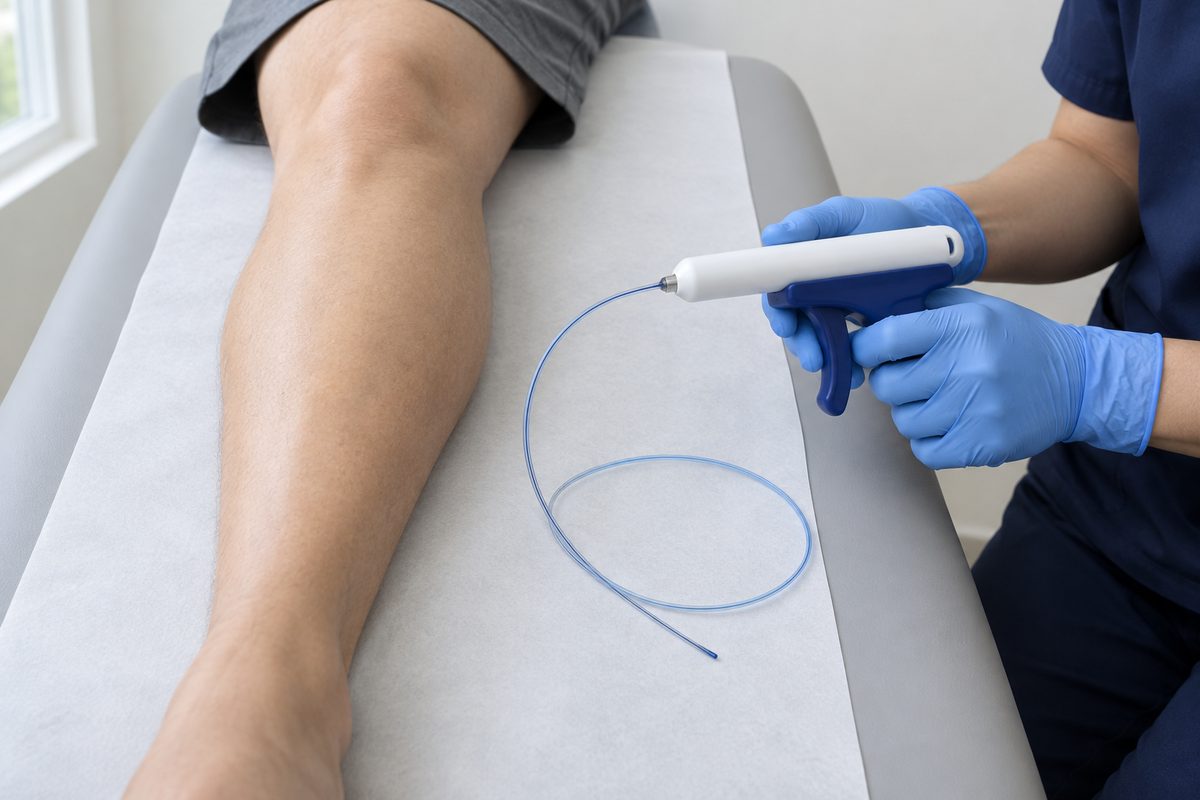
A thin catheter enters the vein through a small needle puncture, and no heat is used. Dr Desmond Ooi offers vein glue treatment as one of four vein closure methods.
Dr Desmond Ooi
Senior Consultant, Advanced Vascular Centre
More than 15 years of experience in vascular and general surgery
Glue, laser, radiofrequency and mechanochemical closure all seal the affected vein from inside, and they suit different veins. Glue uses no heat and needs no anaesthetic injected along the vein, while laser and radiofrequency have more long-term evidence. Which one suits your leg depends on the shape of your vein and the pattern of leaking on your duplex scan.
Vein glue treatment is a minimally invasive treatment for varicose veins. It involves using a medical adhesive that is injected into the affected vein, sealing it shut and redirecting blood flow to healthier veins. This procedure eliminates the need for incisions, making it a comfortable option for patients seeking relief from varicose veins.
The method is also called cyanoacrylate closure, after the type of medical adhesive it uses, or glue therapy for varicose veins.
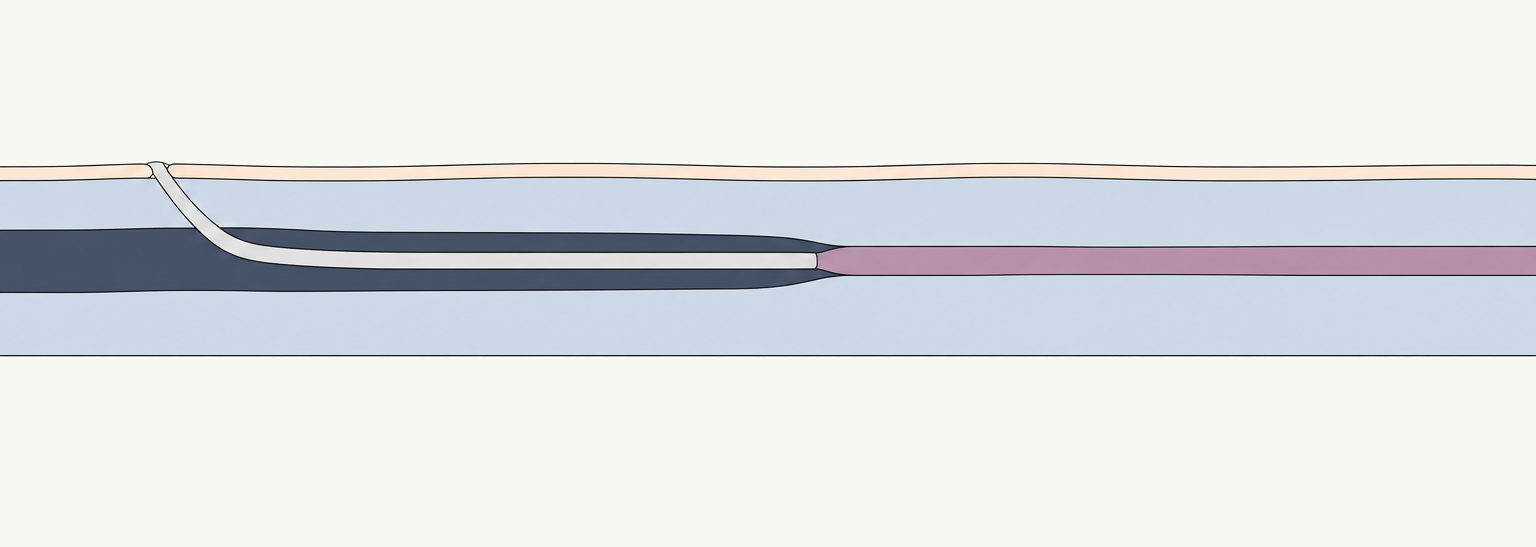
The procedure is a relatively quick one with a few steps.
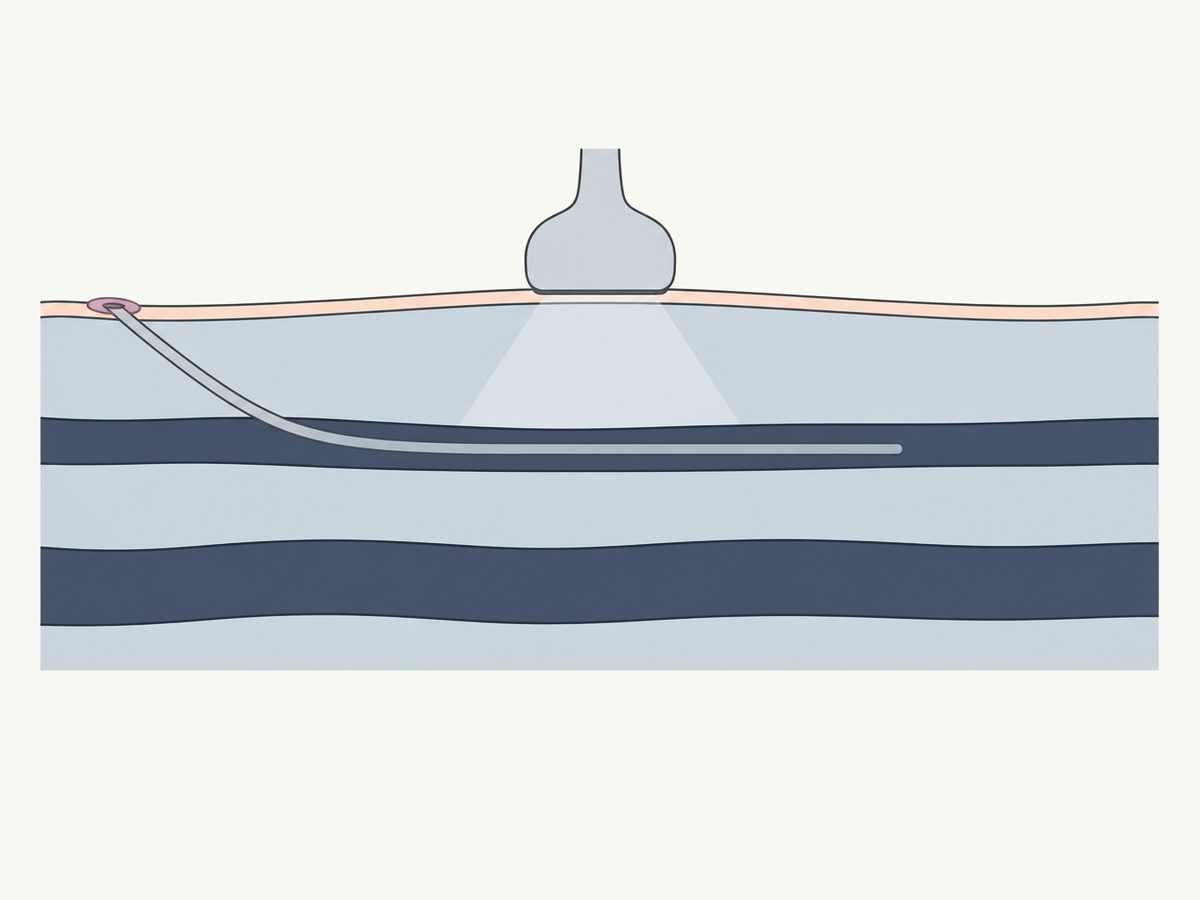
A catheter is inserted into the affected vein, with a small amount of local anaesthetic where it goes in.
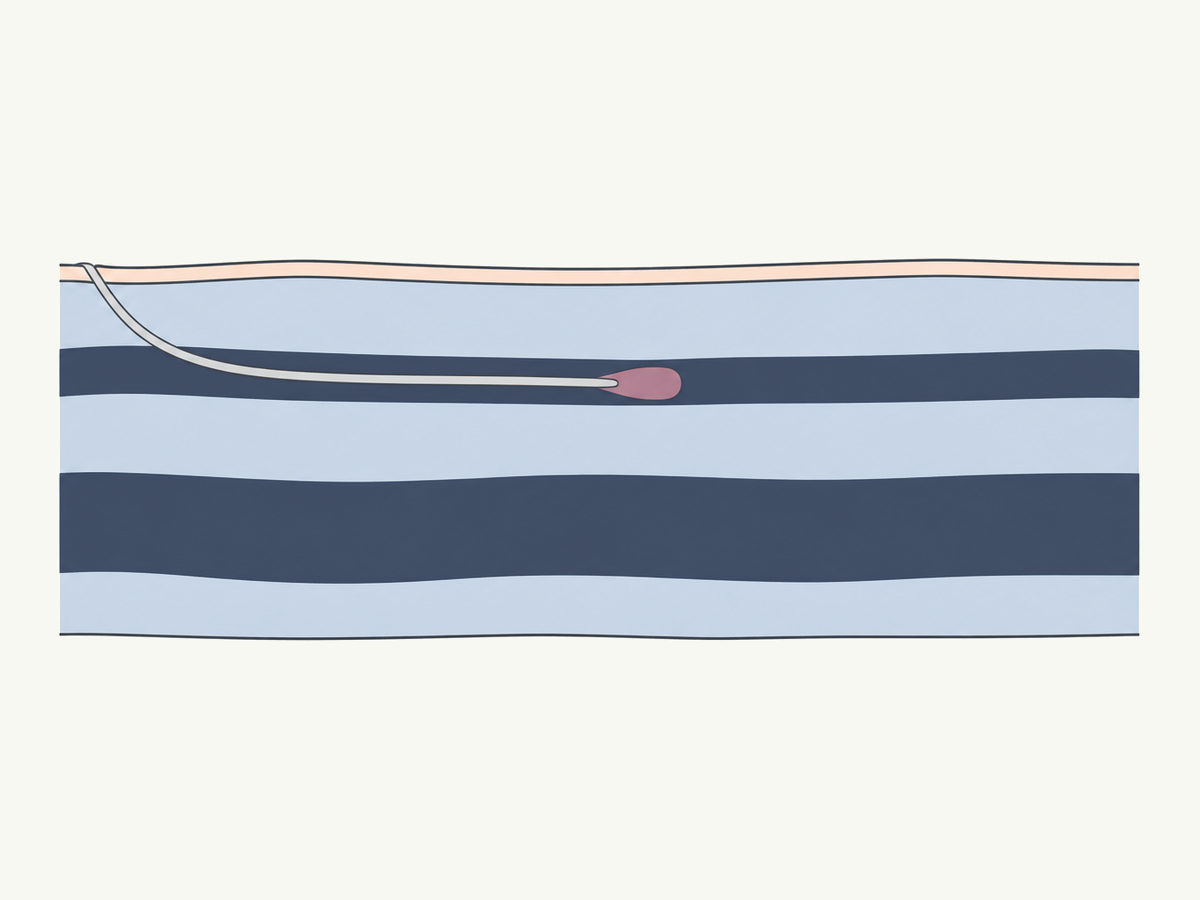
The adhesive is delivered into the catheter.
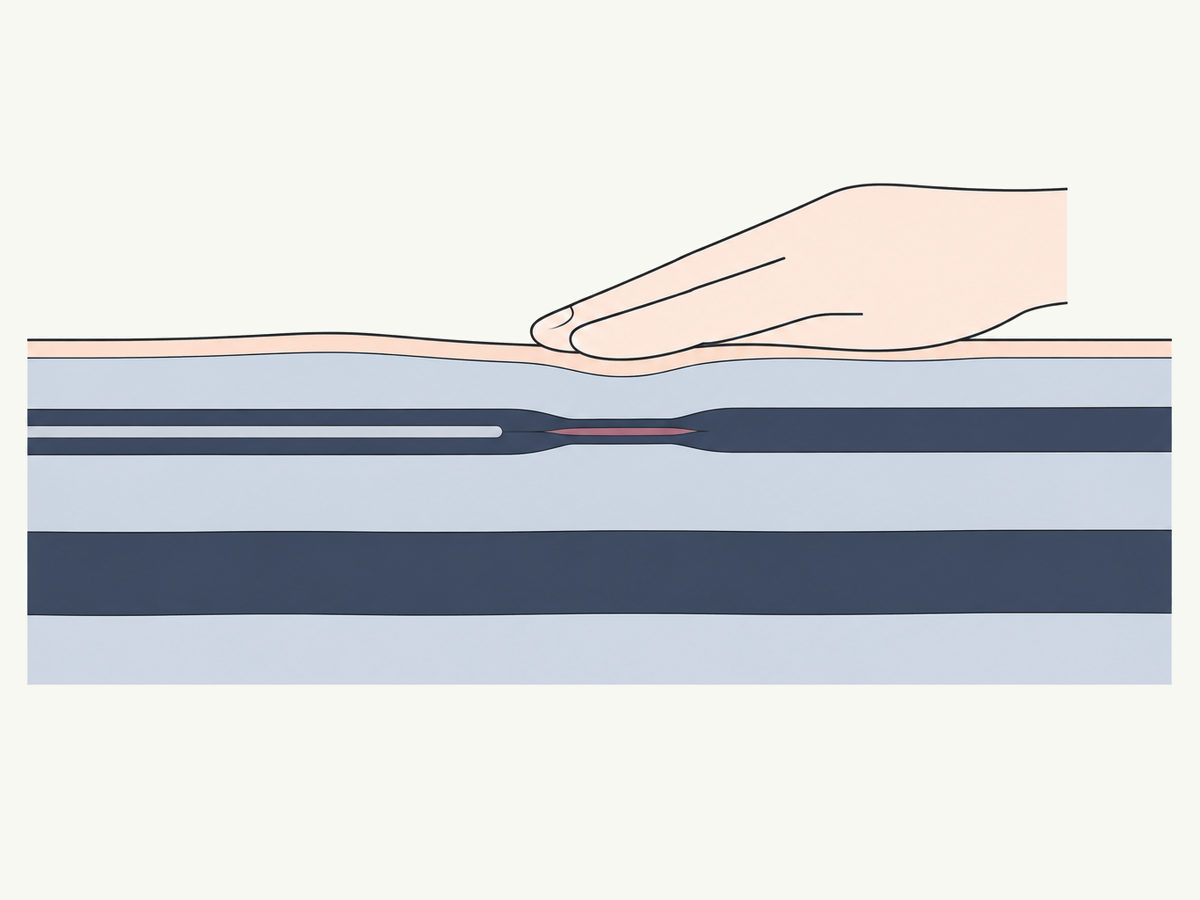
Light pressure is applied so the vein walls can stick together and close off.
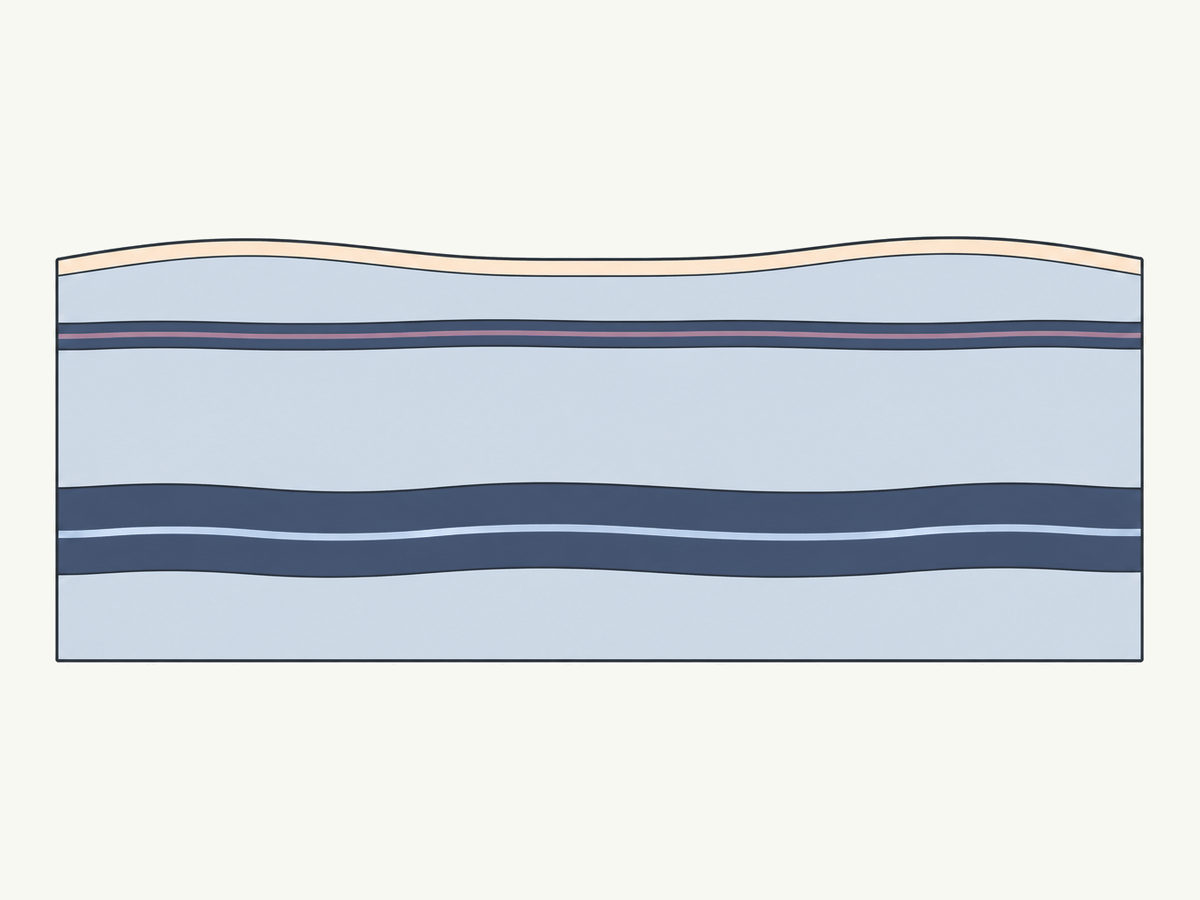
The catheter is removed.
This treatment process is guided by imaging techniques such as ultrasound to ensure accuracy and precision.
Glue closure is used to address the symptoms and complications associated with varicose veins. Varicose veins occur when the valves in the veins malfunction, causing blood to pool and the veins to become enlarged and twisted. This can result in discomfort, pain, swelling, and cosmetic concerns.
Glue closure offers a solution by sealing off the diseased veins, redirecting blood flow to healthier veins and improving circulation. It helps alleviate symptoms such as pain, heaviness, and leg fatigue, enhancing the overall quality of life for individuals with varicose veins.
Dr Desmond Ooi offers vein glue treatment in Singapore as a minimally invasive alternative to patients suffering from varicose veins or venous ulcers.
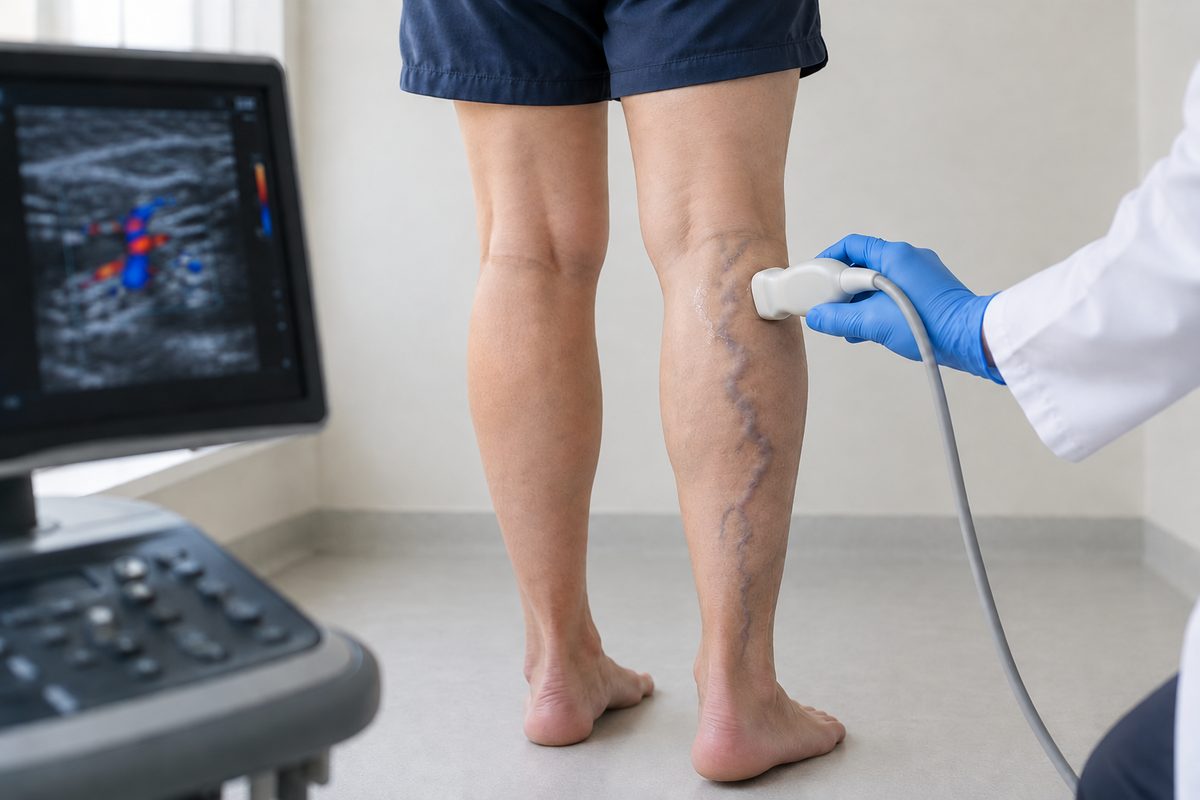
Before glue closure, patients will typically undergo a pre-procedure evaluation, including ultrasound testing. This diagnostic procedure helps Dr Desmond Ooi accurately assess the affected veins and determine the most appropriate treatment plan. The ultrasound allows for a detailed visualisation of the veins, their size, and any underlying issues, enabling precise targeting during the procedure.
Glue closure may be considered when a method without heat is preferred, when avoiding a series of anaesthetic injections along the vein matters to you, and when the shape of the vein suits it. Patients who are allergic to the adhesive or have vein inflammation are not good candidates for the treatment. If glue does not suit your vein, another closure method, or open surgery, may be chosen instead.
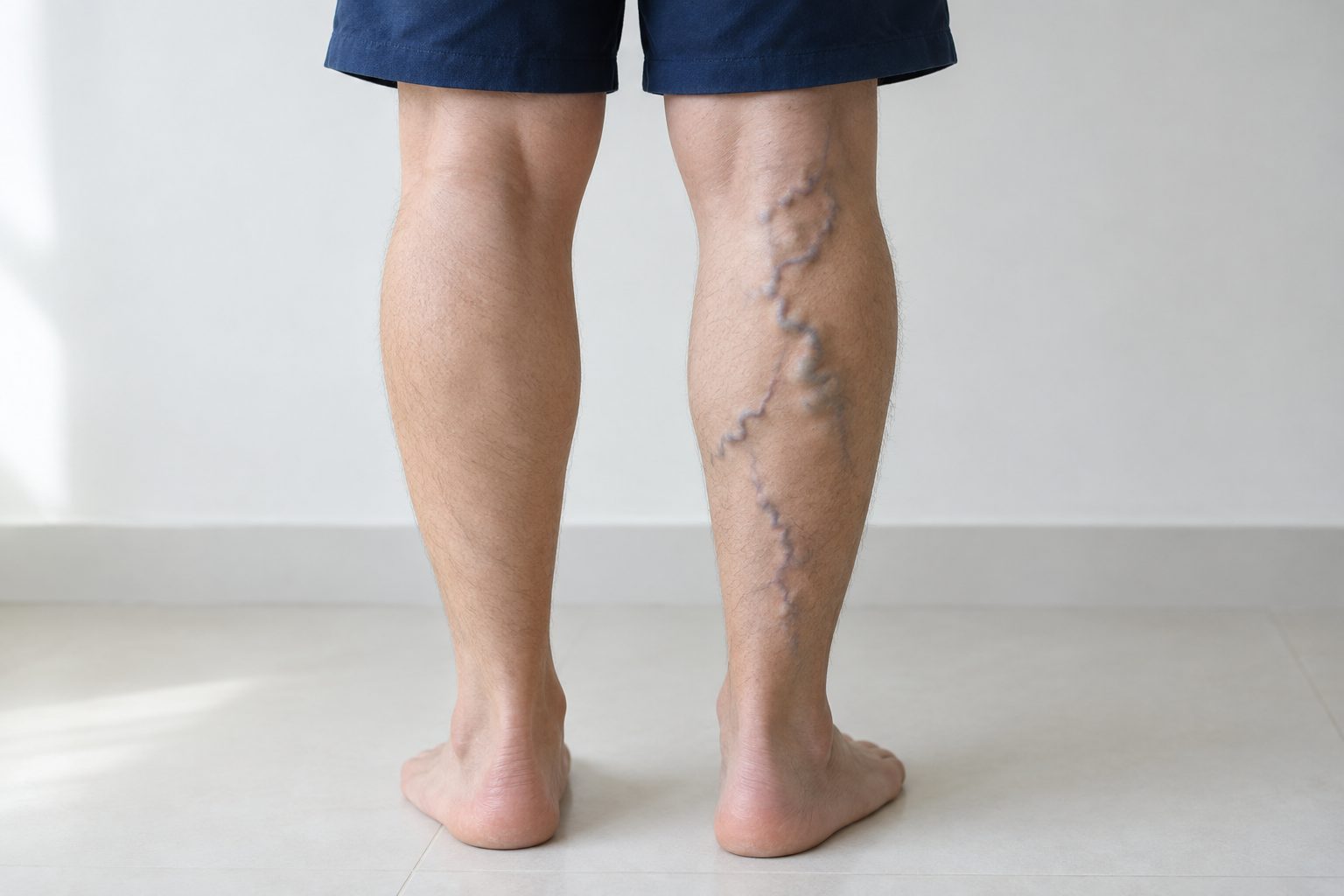 Varicose veins and their symptoms
Vein glue treatment is a day procedure, carried out under ultrasound guidance. How long it takes depends on the number of veins treated and how complex they are.
After undergoing glue closure, the recovery period is relatively short. Patients can expect to resume their daily activities quickly. As a guide:
Normal daily activities:
within 24 hours
Back to work:
Dr Ooi gives a two-week medical certificate, and some patients may return within 4 to 5 days
Driving:
once you can safely make an emergency stop
Strenuous exercise:
after 1 to 2 weeks
It is important to take it easy during the initial recovery phase and avoid engaging in vigorous exercise or activities that may strain the treated area. However, gentle walking is encouraged as it promotes blood circulation and aids in the healing process.
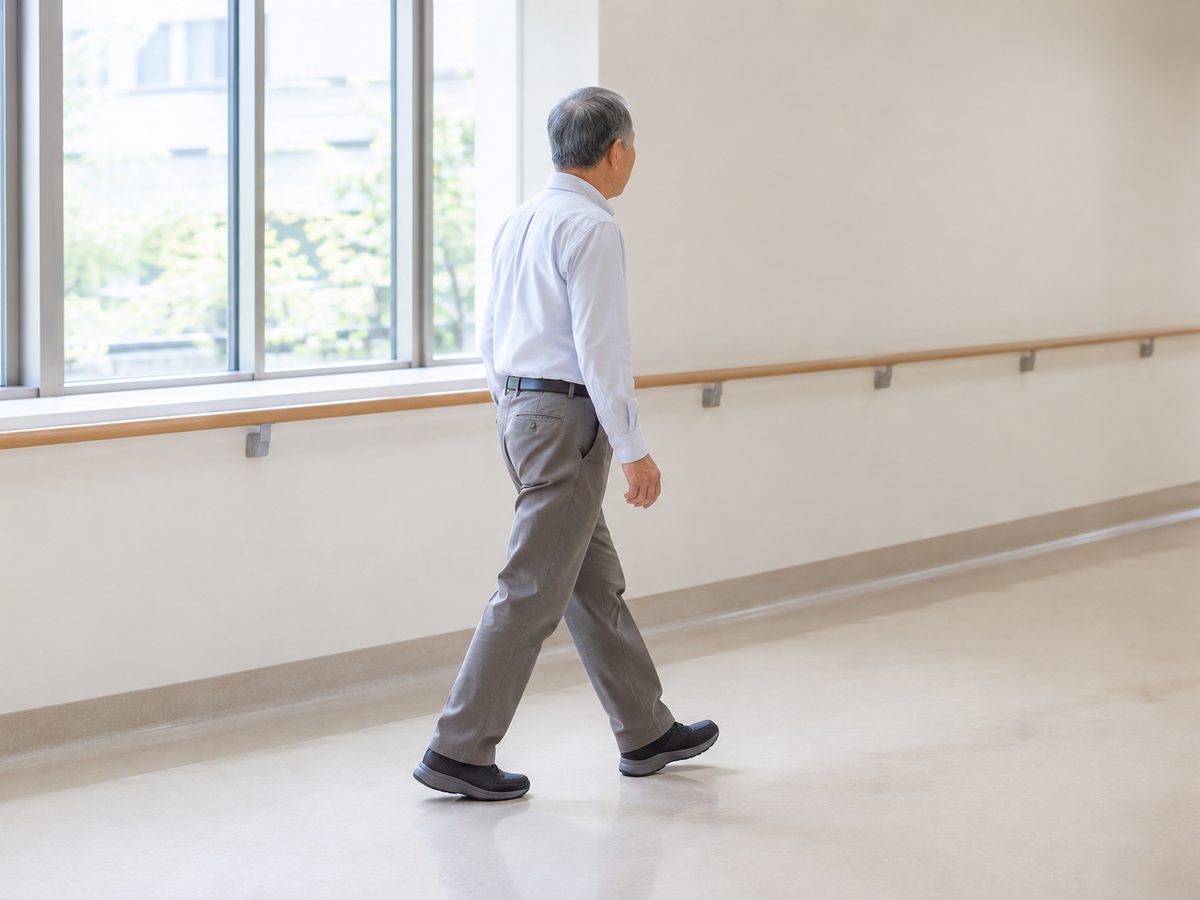
Mild bruising may occur around the treated area, but this is a common and temporary side effect that will fade over time. Compression stockings are often not needed after glue closure. Many patients are reviewed several weeks later, and a follow-up scan may be arranged to check that the vein has closed.
It is advised to follow the specific post-procedure instructions provided by our medical team to ensure optimal recovery.
While glue closure is a safe and effective treatment for varicose veins, there are potential risks and complications associated with the procedure. These may include:
Other vein glue side effects include mild bruising or tenderness, temporary inflammation along the treated vein, darker skin over it, and the vein not closing fully or reopening later.
Consult Dr Desmond Ooi and discuss any concerns or specific medical conditions before undergoing glue closure.
Glue, laser, radiofrequency and mechanochemical closure all aim to close the faulty vein so that blood is redirected into healthy veins. They differ in how the vein is closed, the anaesthetic needed, the recovery, and how much long-term evidence there is.
Laser and radiofrequency treatment close the vein with heat, so local anaesthetic is injected along the vein to protect the tissue around it. Glue closure and mechanochemical ablation use no heat, so they need no anaesthetic injected along the vein.
A 2025 review found fewer nerve injuries and burns with the methods that use no heat, which may matter most below the knee, but a slightly lower rate of the vein staying closed, and their long-term evidence is more limited.
Stripping and ligation is open surgery, kept for selected veins whose shape makes a catheter treatment less suitable, or for veins that come back after earlier treatment. Sclerotherapy injections treat smaller veins.

BM (Southampton), MMed Surgery (NUS), FRCS (Edinburgh)
He received specialised vascular and endovascular training in the UK, and was formerly Patient Safety Officer at Khoo Teck Puat Hospital.
More about Dr OoiWhat will you pay in cash?
For varicose vein day surgery that is medically indicated, MediSave may help, and an Integrated Shield Plan may also cover it, subject to your plan and panel.
Personal





Corporate













#13-06 Mount Elizabeth Medical Centre
+65 6737 1180
Medical Centre D, #07-58, 820 Thomson Road
+65 6265 8820
Vein glue treatment causes minimal pain similar to a needle prick.
Patients may experience some bruising or soreness after the procedure that will subside after a couple of days.
It has less long-term outcome data than laser and radiofrequency treatment, and a 2025 review found a slightly lower rate of the vein staying closed with the methods that use no heat.
Its adhesive delivery system generally makes it one of the more expensive vein treatments.
Patients who are allergic to the adhesive are not good candidates, and an allergic or inflammatory reaction to it is uncommon.
A treated vein occasionally reopens over time, but new varicose veins more often come from another vein whose valves fail later.
Glue closure also has less long-term outcome data than laser and radiofrequency treatment.
A careful duplex scan before treatment, and treating every leaking vein that matters, lowers the chance of veins coming back.
No single treatment suits everyone.
Laser and radiofrequency treatment have more long-term evidence, while glue uses no heat and needs no anaesthetic injected along the vein.
Which suits you depends on the shape of your veins and the pattern of leaking on your scan.
For the surgeon's fee, this page shows the nearest listed procedure, laser treatment of one leg, from SGD 5,341 with GST.
The adhesive delivery system generally makes glue one of the more expensive vein treatments.
Hospital, anaesthetist and device charges are billed separately and given to you as a written estimate before surgery.
Published figures vary with the vein treated and how each study measured success, so this page does not quote one.
A 2025 review found a slightly lower rate of the vein staying closed with the methods that use no heat than with laser or radiofrequency treatment.
Like any procedure, it carries some risks, which are listed on this page.
Patients who are allergic to the adhesive or have vein inflammation are not good candidates for the treatment.
Wrongly injecting a deep vein can cause blood clots. Therefore, glue closure should only be done by a licensed professional.
A clot in a deep vein after treatment is rare.
Once the vein wall is closed off, the body will absorb the affected vein.
Blood flow will return to normal after glue closure. The body will absorb the treated veins, and blood will flow through healthy veins.
In fact, glue closure can improve blood flow by reducing the amount of blood that pools in the affected veins.
Vein glue treatment is a day procedure, and patients usually walk immediately and go home the same day.
For varicose vein day surgery that is medically indicated, MediSave may help, and an Integrated Shield Plan may also cover it, subject to your plan and panel.
If you are unsure whether vein glue treatment suits your veins, message the clinic. You can ask before you arrange anything. Family members can also message on a patient's behalf.